


Paul Smith
Jul-15-2026
BMW Heated Seats Subscription and Other Controversial Automotive Ideas
Why Did BMW Introduce Heated Seat Subscriptions?
Why Was BMW's Heated Seats Subscription So Controversial?
BMW Apple CarPlay Subscription – The First Controversial Experiment
Which Car Manufacturers Also Use Software-Activated Features?
BMW Subscription Features and Software Activations Explained
BMW ConnectedDrive Subscription Services
BMW Software Performance Upgrades and Engine Tuning
Can You Unlock BMW Subscription Features?
How to Code New Features in Your BMW
The Future of BMW Subscription Features and Software Unlocks
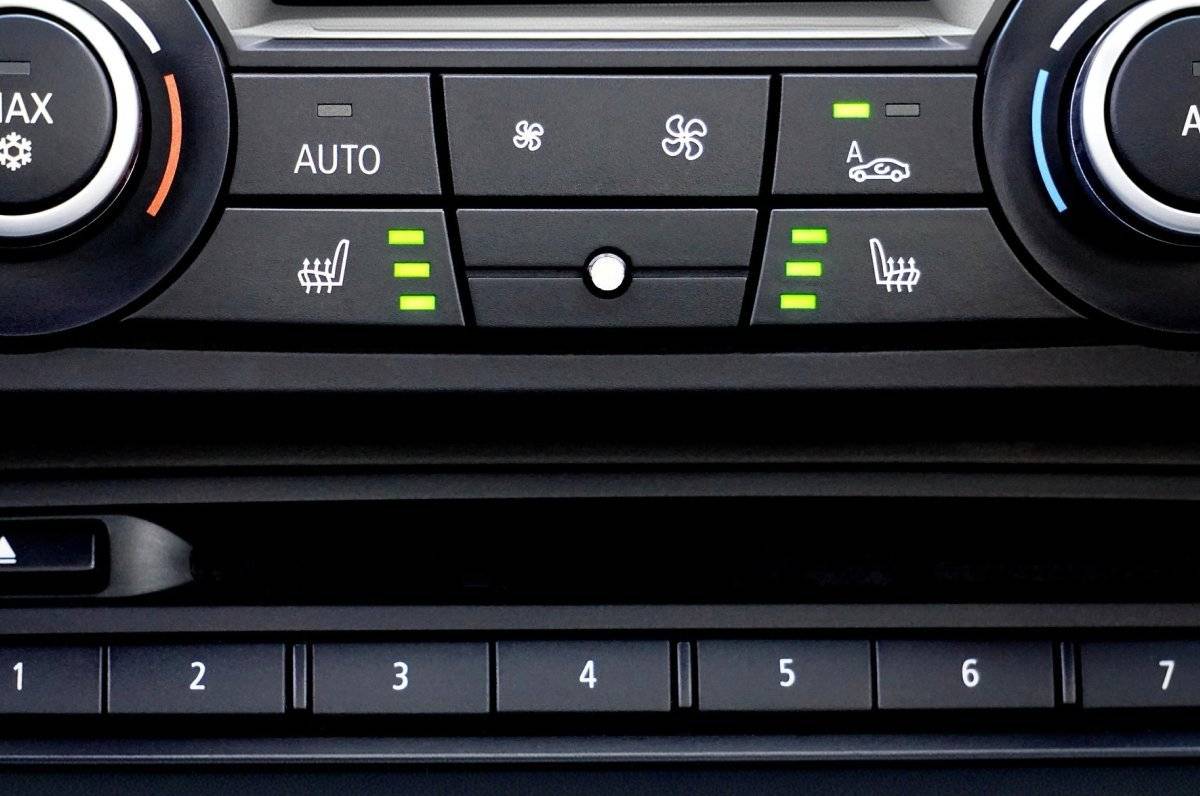
Think back to mid-2022. Back when "quiet quitting" was sweeping social media and everybody was asking the same question: what's the absolute minimum you can do, while still technically doing what you were supposed to? Well, somebody in Bavaria must have got the memo. The BMW heated seats subscription experiment – selling cars that definitely had heated seats, but not letting people actually turn them on without coughing up a subscription – was the automotive equivalent. You've got the heated seats you wanted, but… [rolls eyes] are you really paying me enough to do any more than that?
It became one of the most debated automotive stories in recent years. And it wasn't only car nerds who were rattled; we at BimmerTech even had none other than Vice's tech column asking us what people could do about it. Yeah, it was big news.
If you are someone who is into fun or quirky automotive trivia, this one's going to be very interesting to you. Let's take a look at the story behind the BMW heated seats subscription, why on Earth BMW thought it was a good idea, why drivers hated it, and what it all means for BMW owners today.
Why Did BMW Introduce Heated Seat Subscriptions?
 The concept was simple: BMW vehicles could be built with seat heating installed, but owners would need to pay a recurring monthly fee to actually switch the heating on. No prizes for guessing what people thought of that.
But the idea behind the BMW heated seats subscription actually followed a fairly logical business model, at least on paper.
Modern cars are increasingly built using common hardware across multiple trim levels. Instead of manufacturing different versions of seats, wiring sets, or control units, it can often be cheaper to install the same equipment in every vehicle and simply activate certain features through software.
BMW argued this approach offered flexibility. Imagine you lease a BMW for three years. You live somewhere warm, then move to Chicago halfway through your lease and suddenly discover winter is a real thing. Rather than wishing you'd ordered heated seats years earlier, BMW wanted customers to simply subscribe when needed.
BMW also suggested that short-term subscriptions could work out cheaper than paying for lifetime ownership of a feature. That's true if you only use heated seats for a few winters or tend to change cars regularly.
Why Was BMW's Heated Seats Subscription So Controversial?
Technically, all that could be pretty convenient. But it's clear why so many people were hostile to the idea: nobody wants to feel like they're paying twice. There's also a psychological difference between owning something and renting it. What if BMW decides to increase the price of the subscription? Or discontinue support for your car altogether? It wouldn't be the first time something like that has happened (just ask anybody who was burned by Spotify's Car Thing).
As far as most drivers were concerned, they'd already bought the car. All the necessary components – the heated seats, wiring, and controls – were already there. The only thing stopping them from working was software (and BMW being a bit stingy).
The debate quickly grew beyond heated seats themselves. If manufacturers could charge a subscription for hardware already fitted to the car, what will they come up with next? Heated steering wheels? Extra performance? The whole episode became a much bigger conversation about ownership and the feeling that some features simply shouldn't live behind a paywall.
The backlash became so widespread that BMW eventually abandoned heated seat subscriptions in many markets, making it one of the more memorable examples of how not to introduce software-based pricing.
BMW Apple CarPlay Subscription – The First Controversial Experiment
I have no idea what the German for "once bitten, twice shy" is and it seems nobody at BMW HQ does, either. Long before heated seats became headline news, BMW experimented with another subscription that didn't exactly receive a standing ovation.
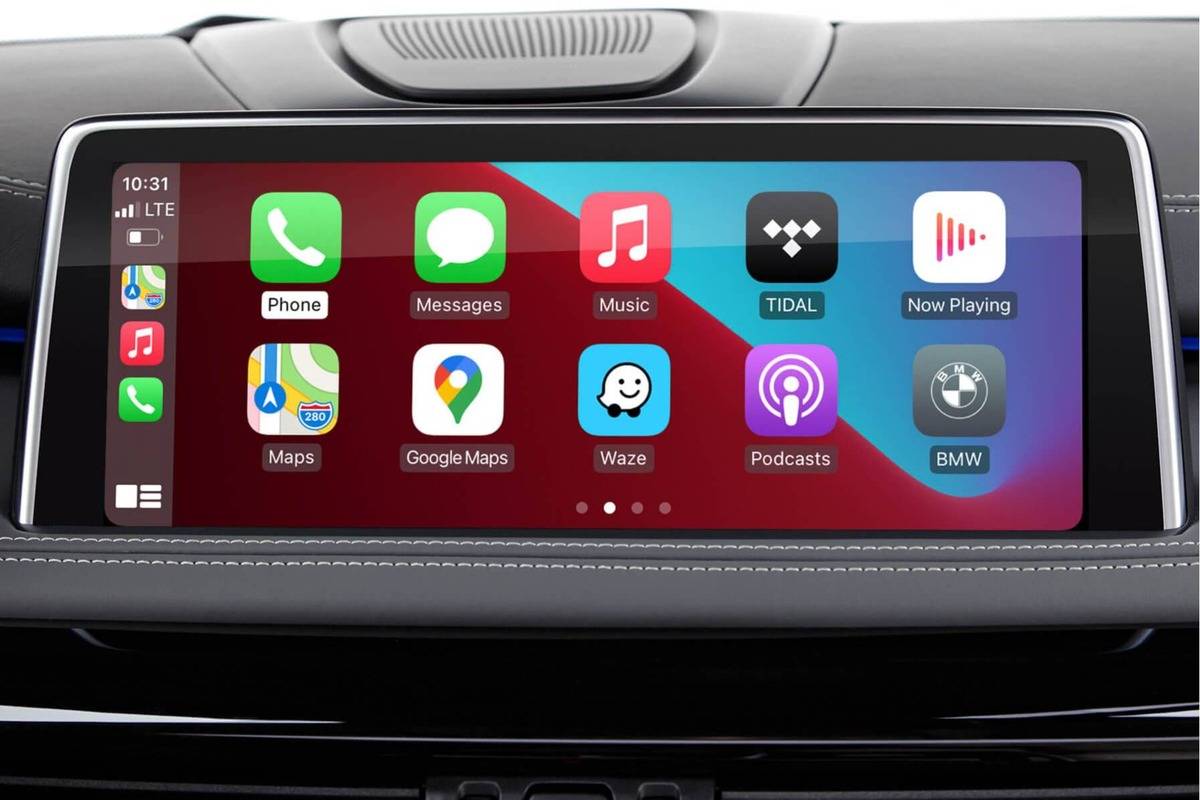
Apple CarPlay originally required an annual subscription in certain markets after an initial trial period. Like with heated seats, all the hardware required to run CarPlay was already installed, it was just disabled at the software level. Why? You can guess.
Again, BMW argued that customers who leased cars for shorter periods could avoid paying a large upfront fee. That might have gone over better if so many other manufacturers weren't offering CarPlay as standard, with nothing extra to pay. Eventually BMW reversed course and moved back to offering CarPlay without ongoing subscription fees.
It's fair to say BMW's CarPlay subscription experiment gave everyone an early preview of how people might react when physical products become recurring software purchases.
But let's look on the bright side.
All those cars produced with CarPlay hardware didn't suddenly lose it when BMW changed course, so there are still ways to activate it. If you're interested in adding CarPlay to an eligible BMW that didn't originally include it, BimmerTech has a detailed guide explaining how to retrofit Apple CarPlay in your BMW.
Which Car Manufacturers Also Use Software-Activated Features?
To be fair, BMW wasn't inventing the idea from scratch. Auto industry has always wanted to keep things going with you long after you've driven off the lot and the amount of software in today's vehicles means your relationship doesn't have to be limited to regular trips to an authorized service center.
Tesla had already shown that software updates could dramatically change what a vehicle could do after purchase. New features, performance improvements, interface updates, and convenience functions could all appear overnight without visiting a dealership.
That changed expectations across the automotive industry. A lot of manufacturers realised they could continue adding value after the initial sale. Unfortunately, some also realised they could continue charging after the initial sale.
The tricky part is that nobody really objects to paying for something genuinely new. If a manufacturer develops a clever new feature, adds it through an update, and gives owners a reason to want it, most drivers can understand the value. But charging monthly just to activate hardware that customers know is already sitting inside the car? That's where things become a little more controversial.
BMW Subscription Features and Software Activations Explained
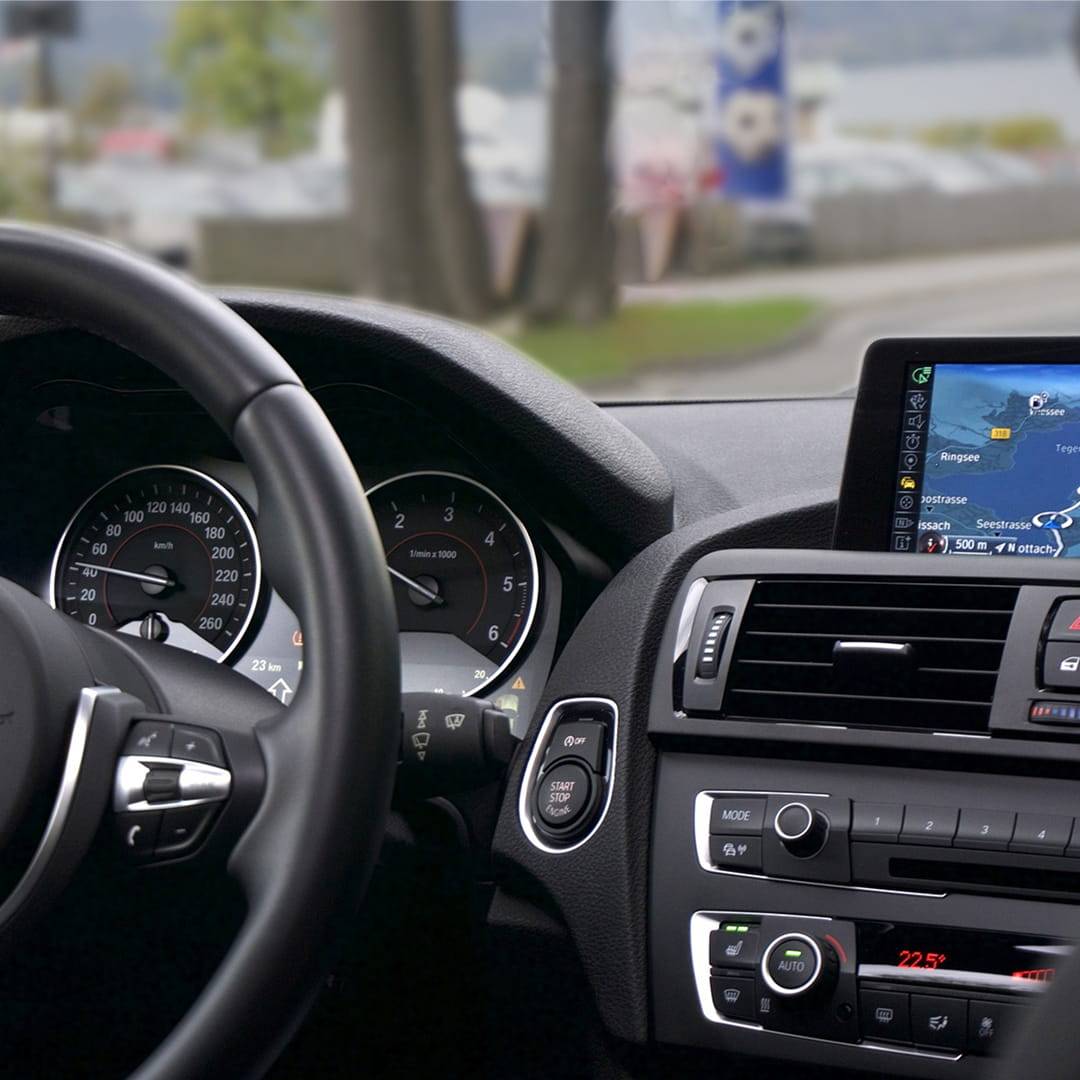 BMW's heated seats subscription saga may have attracted the biggest headlines, but it wasn't the only idea BMW has tested over the years.
BMW ConnectedDrive Subscription Services
BMW continues to offer various ConnectedDrive services through subscription models, including navigation related services, connected apps, remote vehicle functions, and cloud-based features.
Unlike heated seats, these services often require ongoing server infrastructure, mobile connectivity, and software development. That makes recurring pricing easier for many owners to accept, but it can still sting a bit when there are third-party apps offering a better service for less.
If you're wondering exactly what ConnectedDrive includes, BimmerTech explains everything you need to know about BMW ConnectedDrive in a detailed guide.
BMW Software Performance Upgrades and Engine Tuning
One of the more interesting developments across the industry has been software-based performance upgrades. Several manufacturers, including BMW, have explored unlocking additional engine performance or driving modes through software activation.
BMW owners are already used to switching on Sport mode to get a little extra performance out of exactly the same engine. Going even further, remote BMW engine tuning from trusted companies like Awaken Performance by BimmerTech tweaks the software your engine runs on.
This raises an interesting question. Should extra horsepower or better fuel economy be treated like optional equipment? Some will say it's paying for engineering development, but others see it as paying to access capability their car already possesses. Keep in mind engines are already being tuned differently from the factory for different markets (to meet regulatory requirements) or depending on the model. Is it a huge leap from that to subscription services for different tunes? Only time will tell.
In any case, it's another example of how software has started to blur the traditional relationship between vehicle hardware and ownership.

Can You Unlock BMW Subscription Features?
The short answer is yes, but it depends entirely on the feature, the vehicle, the market, and how BMW has configured the software.
Some connected services can be purchased, renewed, activated, or allowed to expire through BMW's own systems. Others are permanently included depending on trim level or factory options. There are also many BMW software features that are not subscription-based at all but can potentially be configured through professional coding where supported.
This is where it's important to separate two very different things.
BMW's official subscriptions are managed through BMW and in many cases it isn't possible to do anything about that without a visit to BMW. Vehicle coding involves changing supported software configurations within the car to enable functionality that is compatible with your vehicle's existing hardware and software.
BimmerTech offers professional coding services for a wide range of BMW models, helping owners personalize their vehicles with compatible software features. Every vehicle is different, so available options depend on factory equipment, hardware compatibility, software versions, and regional specifications.
How to Code New Features in Your BMW
BMW coding has become increasingly popular because many vehicles leave the factory with software capabilities that aren't necessarily configured for every owner.
Depending on your specific BMW, coding may allow access to additional compatible functionality or personalize existing vehicle behavior.
Common examples include:
- Adjusting convenience settings
- Enabling compatible software features
- Customising iDrive behavior
- Personalizing lighting, displays, or driver preferences
Of course, coding isn't the same as adding completely new hardware or magically creating features that a car was never designed to support. It's about making use of options and settings that are already compatible with the vehicle, just disabled by BMW. So a bit like heated seats, then.
Professional coding helps ensure changes are performed correctly and with compatibility in mind.
If you'd like to explore what's available for your vehicle, BimmerTech offers professional BMW iDrive coding services for almost all BMWs with an iDrive. The available coding options vary depending on your exact BMW, factory equipment, and software version, so it's always worth checking what your vehicle supports.
The Future of BMW Subscription Features and Software Unlocks
The BMW Heated Seats Subscription experiment may have briefly become one of the internet's favorite automotive jokes, but it highlighted a much bigger shift happening throughout the industry.
Cars are becoming computers on wheels. Manufacturers can update software long after vehicles leave the factory. That creates exciting opportunities for new features, bug fixes, and improvements without replacing hardware.
At the same time, it creates difficult questions about ownership. When you buy a car, should every installed feature belong to you forever? Or should manufacturers continue selling functionality throughout the vehicle's life?
The answer probably lies somewhere in the middle.
Drivers generally seem happy to pay for services that genuinely require ongoing support, cloud infrastructure, or new software development. They're much less enthusiastic about paying monthly to use equipment that's already sitting inside the dashboard, seats, or engine bay. The automotive industry is still figuring out the right balance. The companies that get it right will probably be the ones that make owners feel like their cars are improving over time, rather than slowly becoming a collection of features waiting behind a payment screen. And the ones that get it wrong? Well, they'll definitely get people talking, at least.
BMW learned that lesson the hard way. Hopefully, the wider industry noticed.
FAQ
Comments(0)
All ratings
Popular posts:



and get to know all compatible products for your BMW or MINI
Where to find your VIN?