























[[post.title]]
We're changing for you!
Check out our new website 
We're changing for you!
Check out our new website
BMW Original Parts
Search by VIN
Search by VIN
Apr 14, 2026
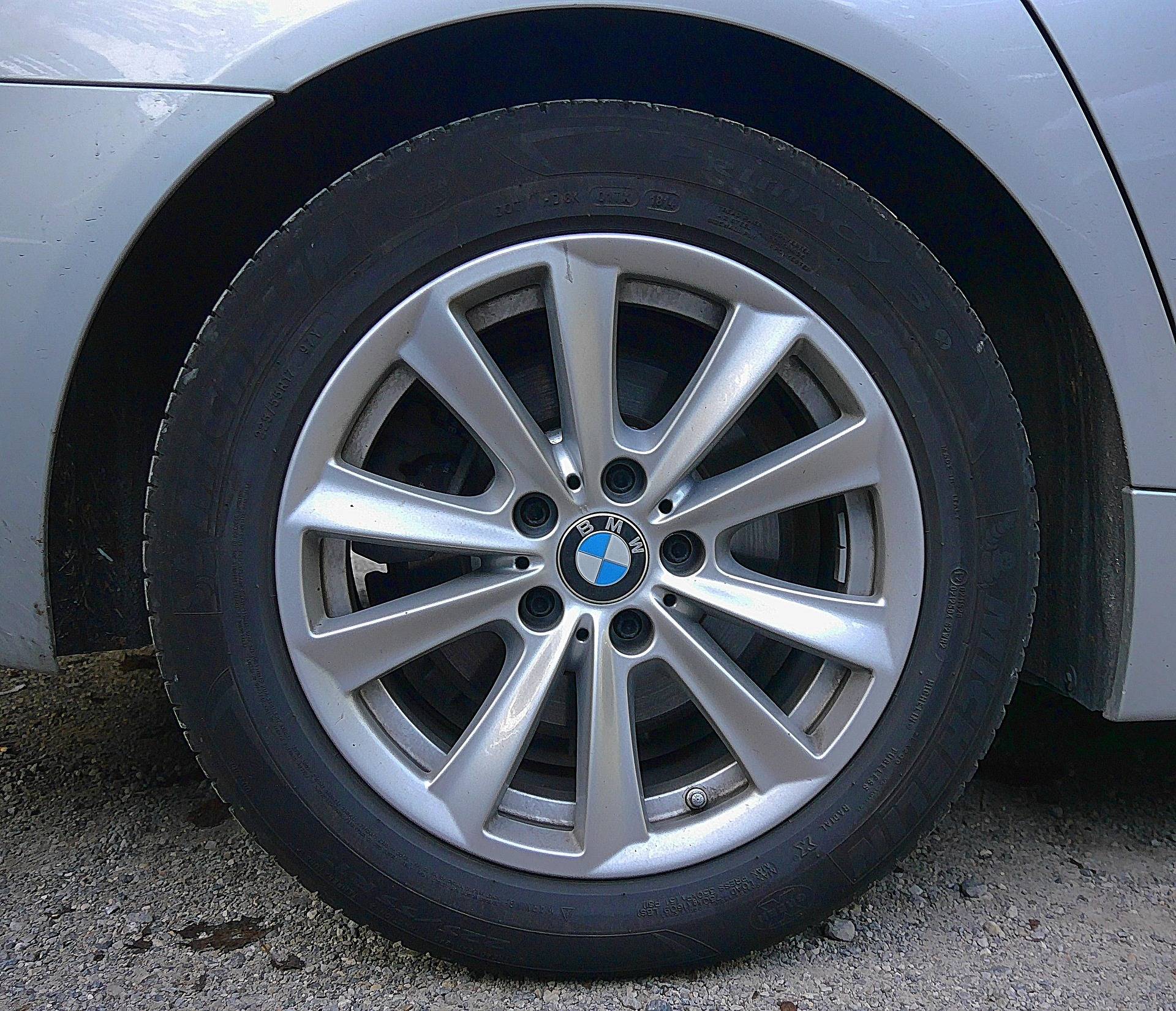
Ask any enthusiast what makes a car fast and they’ll start listing engine specs, suspension geometry, or weight distribution. All of that matters, but none of it counts for much if the four patches of rubber connecting the car to the road aren’t up to the job. Tires are the single interface through which every bit of acceleration, braking, and cornering force is transmitted. They also happen to be the most overlooked maintenance item on most cars, BMW included.
In this guide, we’re going to cover everything a BMW owner needs to know about their tires: the different types available, what the star marking means, why tires matter more than most people realize for both safety and performance, and how to actually take care of them so they last as long as they should. Additionally, we’ll dive deeper into how long do BMW tires last – which depends on numerous factors, although on average it can vary between 20,000 and 50,000 miles.
Coming up, you’ll also learn:
Let’s get rolling.
Tires are not a one-size-fits-all proposition. The rubber compound, tread pattern, and construction of a tire are all optimized for a specific set of conditions – and using the wrong tire for the season or climate genuinely compromises how your BMW handles and stops. Here’s a breakdown of the main types.
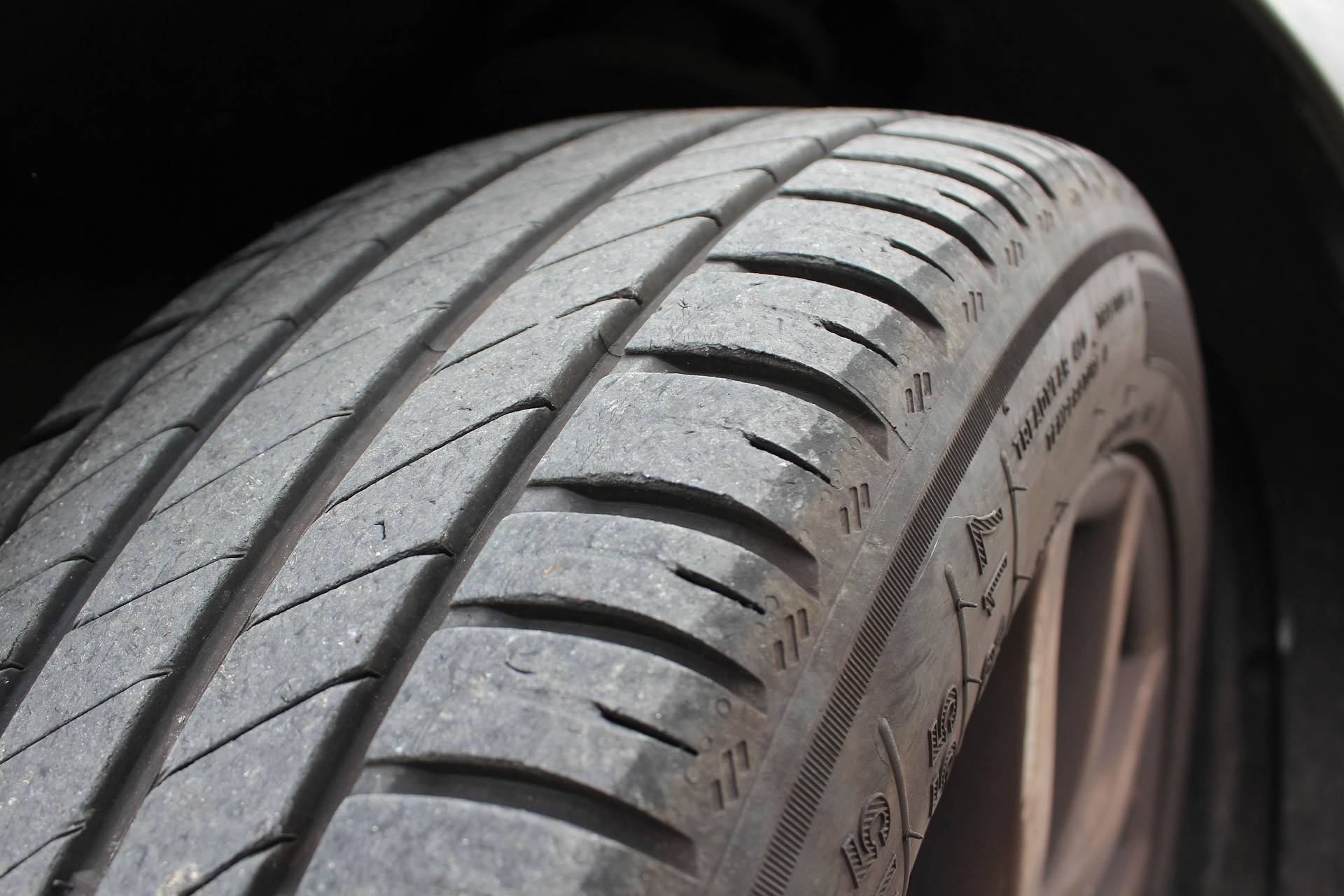
These are engineered for performance in warm and dry conditions, with some wet-weather capability built in. The rubber compound stays pliable and grippy at higher temperatures, and the tread pattern prioritizes maximum contact with the road surface.
On a clear summer road, a quality set of summer tires will give you the sharpest steering response, the shortest braking distances, and the best feel for what the car is doing. The trade-off is that once temperatures drop below roughly 7°C (45°F), the compound begins to harden and grip levels fall off noticeably – at which point they become a safety liability, not just a performance compromise.
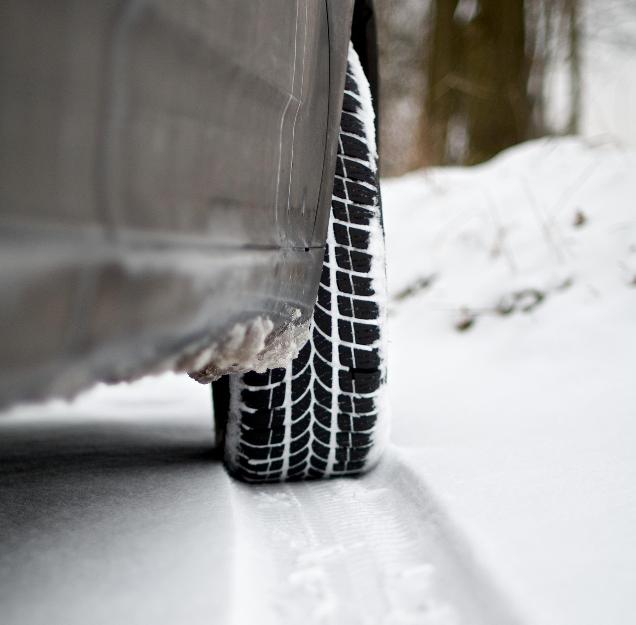
They are the opposite end of the spectrum. Their rubber compound is specifically formulated to remain flexible in cold weather, which is what allows them to generate traction when summer tires have essentially turned into hockey pucks. The tread pattern typically features deep grooves and small cuts called sipes that bite into snow and channel slush away from the contact patch.
If you live somewhere that gets genuine winter weather (with regular sub-zero temperatures, snow, or ice) a dedicated set of winter tires will be optimal. Regardless of whether your BMW has all-wheel drive or not – AWD helps you accelerate, it does not help you stop.
Are the compromise option: they handle reasonably well in light winter conditions and reasonably well in summer, without excelling in either. Think of them as the “good enough for everything” choice.
In climates that don’t see severe winters (occasional light frost, maybe the odd dusting of snow) all-season tires are a practical, cost-effective solution that saves you the hassle of seasonal swaps. What they won’t do is match a dedicated summer tire in warm conditions or a dedicated winter tire on an icy road.
Are often confused with all-season tires, but they’re a meaningfully different product.
All-weather tires are designed to perform competently across a wider range of conditions than all-season tires, including more serious winter weather. If your winters are real but not extreme, and you don’t want two sets of tires, all-weather tires are the more capable single-set solution. Especially considering the fact that modern solutions from the top tier rubber manufacturers often rival winter tires in the snow.
They’ll carry a snowflake symbol on the sidewall (the three-peak mountain snowflake, or 3PMSF rating), which all-season tires typically do not. That symbol indicates the tire has passed standardized winter performance testing – it’s a meaningful distinction, not just marketing.
As a general rule: if you have the budget and storage space for two sets, dedicated summer and winter tires will always outperform any all-season or all-weather compromise. If you’re running one set year-round, all-weather over all-season in most climates. And don’t forget to check your BMW’s owner’s manual for the recommended tire size – the combination of width, aspect ratio, and wheel diameter matters for fit, handling, and accurate speedometer readings.
If you look at your tire sidewall, you’ll see a string of numbers and letters that look like a secret code (e.g., 245/40 R19 98Y). Understanding this tire size is crucial before you purchase a replacement set.
Always consult your owner's manual before buying tires. Choosing a tire with an incorrect load rating or the wrong aspect ratio can negatively impact your driving experience and may even be illegal depending on local laws.
You’ve probably noticed a small asterisk (★ or *) on certain tire sidewalls and wondered what it meant. That’s the BMW star marking and it’s not just a logo – it indicates that the tire has been specifically developed, tested, and approved by BMW for use on their vehicles.
BMW works directly with certain tire manufacturers to develop tires optimized for specific models. These star-marked tires go through extensive testing to meet BMW’s requirements for handling, noise, and rolling resistance.
They also need to be compatible with things like the Dynamic Stability Control system, run-flat technology, and the specific suspension geometry of the car. In other words: they’re not just a generic tire that happens to fit the wheel – they’ve been tuned to work with the BMW they’re approved for.
Does that mean you must use star-marked tires?
No. There are plenty of high-quality tires from reputable manufacturers that aren’t BMW-approved but will still perform excellently on a BMW. However, if you want the closest thing to a factory-validated recommendation for your specific model, the star marking is the clearest shortcut to finding it. When in doubt, it’s also worth cross-checking with your authorized BMW center – they’ll know exactly which tires are approved for your model and trim.
Bavarians stick to run flat tires due to a couple of reasons.
Firstly, there is the issue of convenience. The statistical BMW buyer does not want to bother with changing a flat tire in the case of an emergency; they’d much rather call roadside assistance or drive to the nearest tire shop. Don’t get us wrong, we’re not picking on them – it’s not to say they couldn’t change the wheel, it’s just that they prefer not to. And have means to either pay a premium on extra roadside assistance or call a tow truck if need be.
Secondly, there is the matter of trunk space. BMWs are famous for having their 12V batteries stuffed inside what would be a spare wheel well in other cars, so there is no space for a spare wheel. While they could design their components around these confines, it would probably mean proprietary battery shape or mounting – which, in turn, would also mean more expensive replacement batteries. A tire repair kit is a much more straightforward solution.
Here’s something worth internalizing: every system on your BMW (the engine, the brakes, the stability control, the suspension) ultimately communicates with the road through four contact patches, each roughly the size of a shoe box.
Everything your car can do is limited by what those four patches of rubber can manage at any given moment. This is why tires are the most important part of the equation in terms of performance and safety and why skimping on them in favour of budget options is a false economy.
How exactly each of the characteristics of a tire affects its performance?
This one affects handling, ride comfort, fuel economy, and wear patterns simultaneously. Under-inflated tires run hotter, wear unevenly on the outer edges, reduce fuel efficiency, and make the car feel vague and unresponsive. Over-inflated tires wear in the centre of the tread, reduce the contact patch, and make the ride harsher.
Neither is a good situation. Correct tire pressure is specified in the owner’s manual and on the sticker in the driver’s door jamb – and it’s worth checking monthly, not just before long trips.
The right set of tires also has a significant influence on how much performance your BMW is actually capable of. Upgrading from budget tires to a quality brand from a reputable tire manufacturer is one of the highest-return modifications you can make to a BMW – more so than most other handling upgrades and far more noticeable than many owners expect.
However, if you want to extract more performance from the engine side of the equation as well, it’s worth looking at options like the Awaken Performance BMW Engine Tuning – an ECU tune that increases horsepower and torque and optimizes their delivery curves. But tires first. Always tires first.

As mentioned in the beginning of this article, there are multiple factors that affect how long a tire will last. First of all, it’s the quality of the rubber itself – cheaper tires will almost always last shorter. However, on account of cheap, hard rubber, they can sometimes outlast premium offerings, albeit with a much, much worse performance and close to no grip.
Your driving style is another important factor in terms of tire longevity. Accelerating and braking a lot will increase the wear and tear on the tires. Not only does it chew up through the thread, it also generates heat that—over time—ages the tire compound.
Lastly, there is the matter of tire pressure. If you drive under- or overinflated tires, you will wear them out faster. Tire threads are optimized for a certain inflation threshold, which affects the way they stick to the road; underinflation means that there is more wear on the outside edges of the tire.
Good tires are expensive. Taking care of them properly means getting more life out of them, better performance throughout their lifespan, and fewer unpleasant surprises. Here’s what BMW tire maintenance actually should look like in practice.
And finally: DON’T buy cheap tires.
This is the one piece of tire advice that doesn’t require any nuance. Budget tires from unknown manufacturers consistently underperform on wet braking distances, handling response, and longevity compared to tires from reputable manufacturers. Given that tires are your only contact point with the road, this is not the place to save money. Buy the best tires you can afford from a brand with a track record of quality.
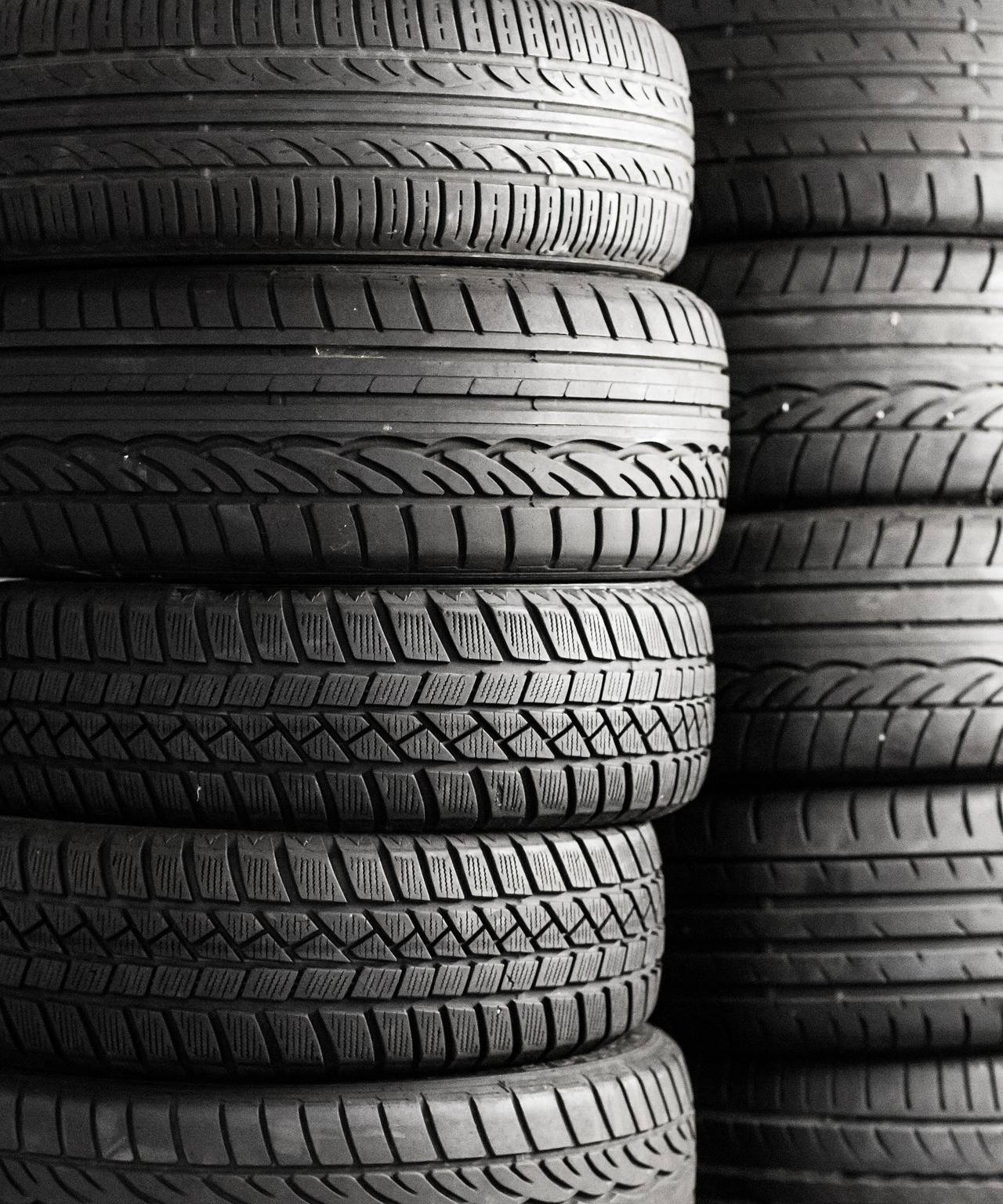
As an additional piece of advice: pressure should be measured when the tires are cold, for example in the morning before you’ve driven. A simple handheld pressure gauge costs very little and is accurate enough for the job.
If you’d like a more convenient way to keep an eye on your tire pressures while on the move, our RDC Safety Coding might be for you. It’s a coding upgrade that enables live PSI readings directly in your BMW’s iDrive menu, giving you at-a-glance pressure information without needing to get out of the car. It doesn’t replace the monthly manual check, but it’s a genuinely useful addition for staying on top of things between those checks.

Tires are not a glamorous topic.
Nobody gets excited about tire maintenance the way they do about engine tuning or suspension upgrades. But no other single component has as much influence on how your BMW feels, handles, stops, and – most importantly – how safe it is to drive. Getting the right type of tire for the season and climate, keeping them properly inflated and maintained, and replacing them before they’re dangerously worn isn’t optional if you want to get the most out of your Bimmer.
The four main types are summer, winter, all-season, and all-weather tires. Each is optimized for different temperature ranges and road conditions; summer tires for warm weather performance, winter tires for cold and snowy conditions, all-season as a moderate all-year compromise, and all-weather for broader seasonal coverage including light to moderate winter use.
The star marking (*) on a tire’s sidewall indicates it has been developed and approved specifically by BMW for use on their vehicles. Star-marked tires are tested to meet BMW’s standards for handling, noise, rolling resistance, and system compatibility. They’re not required, but represent BMW’s validated recommendation for the models they’re approved for.
Every system in your BMW ultimately acts through four small tire contact patches. Worn tread increases braking distances and aquaplaning risk; aged rubber loses grip; incorrect pressure affects handling, wear, and fuel economy. The quality and condition of your tires determine the real-world limits of everything else the car can do.
Check pressure monthly (cold, before driving), inspect for wear, cracking, and damage at the same time, rotate every 5,000–7,500 miles, get alignment checked annually, and store seasonal tires in a cool, dry, UV-free environment. Replace tires when tread reaches 3mm or the rubber is six or more years old.
 Customer Reviews
Comments
Rate the product
This email is already registered.
Please Log In to continue.
Let us find
the right version for you
We'll confirm pricing, compatibility and product details for your car:
Enter your VINThe four main types are summer, winter, all-season, and all-weather tires. Each is optimized for different temperature ranges and road conditions; summer tires for warm weather performance, winter tires for cold and snowy conditions, all-season as a moderate all-year compromise, and all-weather for broader seasonal coverage including light to moderate winter use.
The star marking (*) on a tire’s sidewall indicates it has been developed and approved specifically by BMW for use on their vehicles. Star-marked tires are tested to meet BMW’s standards for handling, noise, rolling resistance, and system compatibility. They’re not required, but represent BMW’s validated recommendation for the models they’re approved for.
Every system in your BMW ultimately acts through four small tire contact patches. Worn tread increases braking distances and aquaplaning risk; aged rubber loses grip; incorrect pressure affects handling, wear, and fuel economy. The quality and condition of your tires determine the real-world limits of everything else the car can do.
Check pressure monthly (cold, before driving), inspect for wear, cracking, and damage at the same time, rotate every 5,000–7,500 miles, get alignment checked annually, and store seasonal tires in a cool, dry, UV-free environment. Replace tires when tread reaches 3mm or the rubber is six or more years old.
Customer Reviews
Comments
Rate the product
This email is already registered.
Please Log In to continue.
[[comment.name]]
[[comment.text|raw]]
BimmerTech
Newsletter
[[comment.name]]
[[comment.text|raw]]
BimmerTech