


Radoslaw Zbroinski
Aug-24-2026
Tesla Model 3 vs. BMW i4 – Which Is Better?
Price & Trims – Where the Gap is Biggest
Performance – Horsepower, Torque, Acceleration, Range & Charging
Supercharger vs. the Rest
Driving Experience – Handling, Ride & Steering Feel
Interior Quality & Technology
Cargo Space & Practicality
Safety & Driver-Assist Features
So Which One Should You Buy? The Short Answer
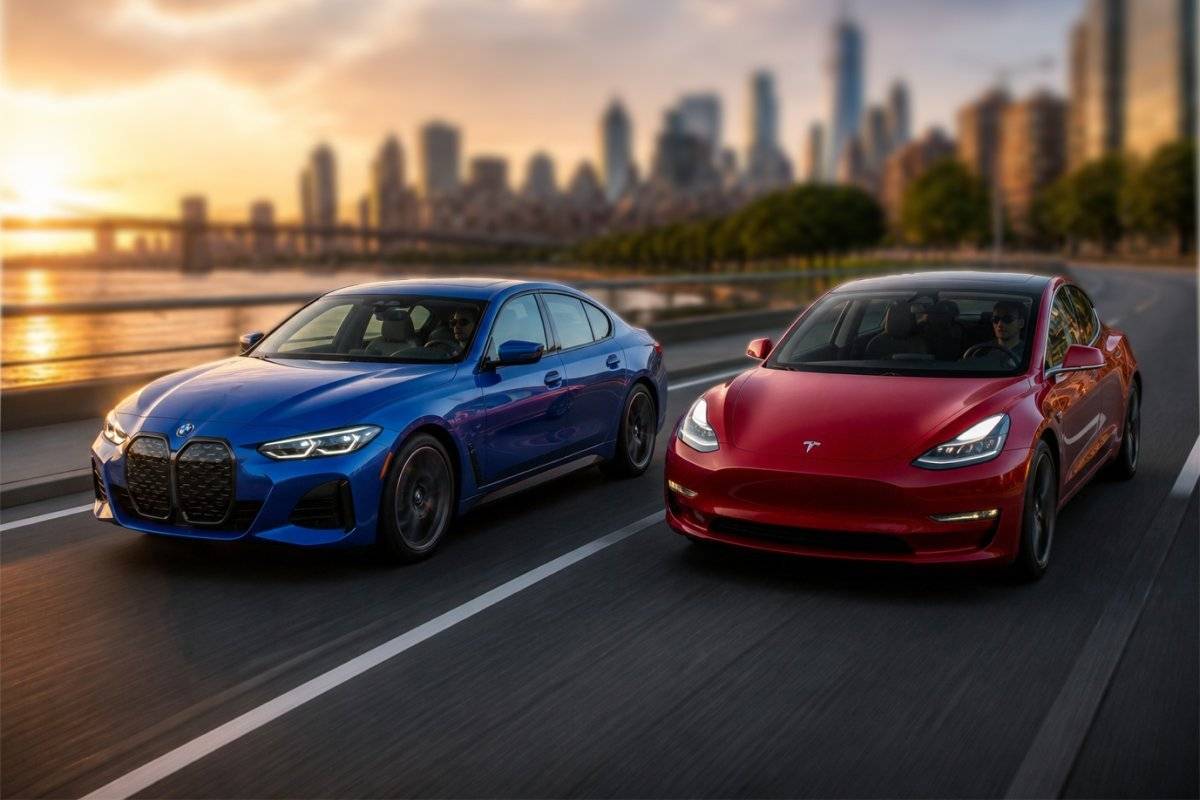
Two cars, two completely different philosophies of what an electric sedan – or rather a liftback – should be. The Tesla Model 3 built its reputation on being the EV that made electric driving mainstream: quick, pretty affordable, efficient, and backed by a charging network nothing else can match. The BMW i4 takes a slightly different approach by wrapping a quick electric powertrain inside a car that still feels, drives, and looks like a proper BMW.
Both are excellent electric vehicles that serve a similar purpose and sit in the same segment. Neither is the objectively "better" option in every category, which is exactly why this comparison keeps coming up in some car shopping conversations. If you are interested in how the Tesla Model 3 stacks up against the BMW i4, this article is for you. Let's actually compare the specs, the driving experience, and the details that don't show up on a window sticker.
Price & Trims – Where the Gap is Biggest
This is the category where the difference between these two cars is impossible to ignore.
| Tesla Model 3 | BMW i4 |
| Model 3 base (RWD) – $36,990 | BMW i4 eDrive40 (RWD) – $57,900 |
| Model 3 Premium (AWD) – $47,490 | BMW i4 xDrive40 (AWD) – $62,300 |
| Model 3 Performance (AWD) – $54,990 | BMW i4 M60 (AWD) – $70,700 |
Even the range-topping Model 3 Performance costs less than BMW's entry-level i4 eDrive40. It’s a pretty small gap, roughly $3,000, but we’re comparing a fully-loaded, flagship option to a “barebones” trim. Apples to apples, the base Model 3 is more than $20,000 cheaper than the cheapest BMW i4. If your shopping decision starts and ends with the price tag, Tesla offers the more accessible path into electric performance by a hefty margin.
That said, price alone could be a mistake to base your entire decision on, if your budget is more flexible or you’re considering monthly lease payments instead of a total price. The BMW i4 is competing in a different segment of the market – closer to luxury than mainstream EV – and the extra cost buys you things a spec sheet doesn't always capture. But more on that shortly.
Performance – Horsepower, Torque, Acceleration, Range & Charging
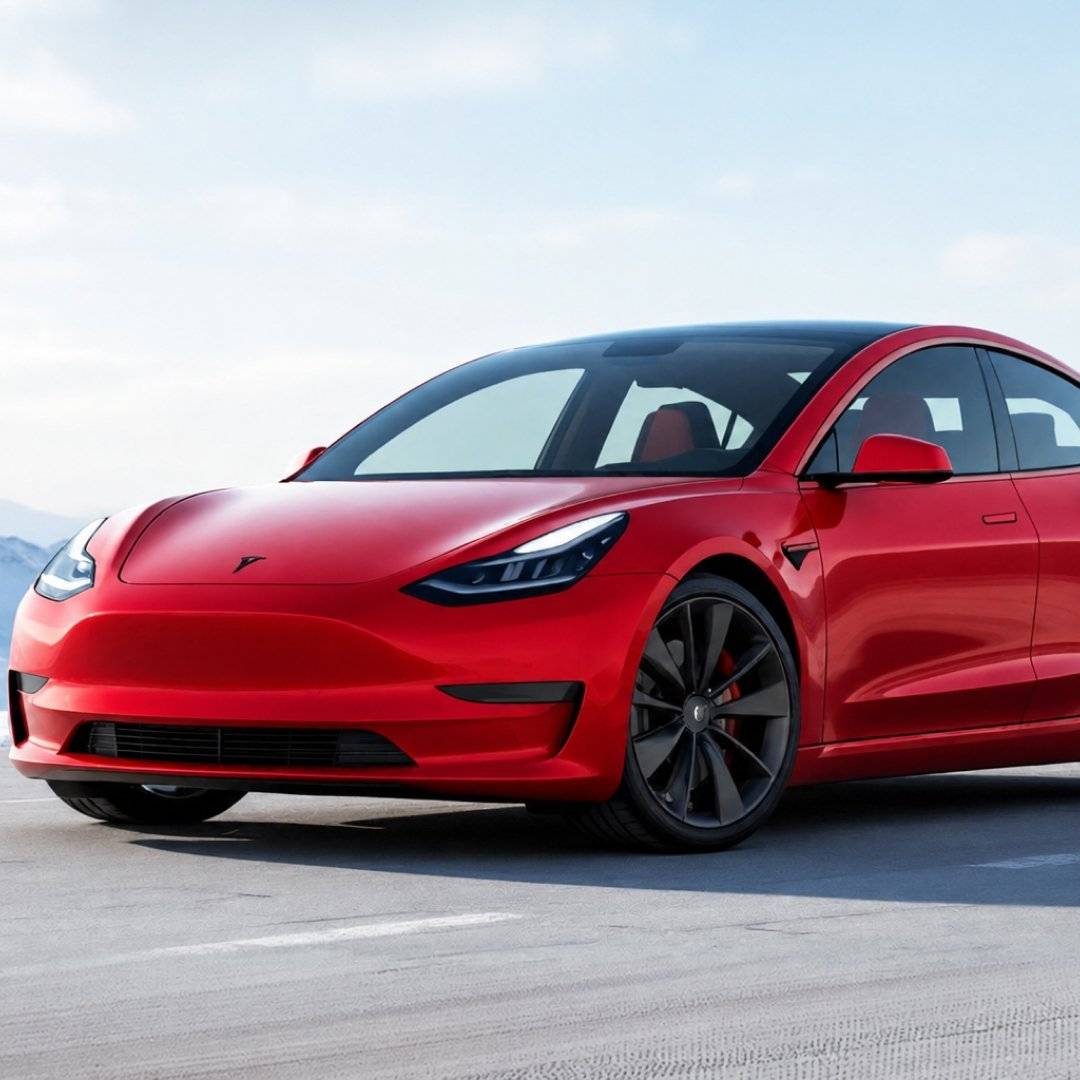 Both cars can move. How they get there differs.
The Tesla Model 3 Performance AWD hits 60 mph in 2.9 seconds – a number that would've been supercar territory not that long ago. Tesla doesn't officially publish horsepower figures, preferring 0-60 times instead, but industry estimates put the Performance trim north of 500 hp.
The range-topping BMW i4 M60 counters with 593 hp and 3.6 seconds to 60 mph. Slower acceleration than the Tesla Performance on paper, but with more raw power and torque on tap, and a driving character that feels distinctly different. The BMW i4 is more planted, more mechanical, less like an instant digital surge. What negates the horsepower difference is weight – the i4 is heavier, but that's the price you pay for a better refinement, as most of that stems from sound deadening and noise insulation.
At the entry level, the eDrive40's 335 hp and 317 lb-ft of torque provide brisk, confident acceleration better than that of the equivalent base Tesla Model 3 RWD. That is still despite the higher weight of the former: 4,731 lbs (2,145 kg) vs. 3,880 lbs (1,760 kg) in the Tesla.
On paper, range is somewhat close, but with a noticeable edge on the Model 3's side. The Tesla Model 3 Premium RWD tops the lineup at up to 363 miles EPA, while the most efficient BMW i4 variant, the eDrive40 reaches up to 333 miles. Take a look at the detailed comparison below.
| Trim | Range (EPA-est.) | 0–60 mph | Horsepower | Torque |
| Model 3 base RWD | 321 miles | 5.8 s | 295 hp | 309 lb-ft |
| Model 3 Premium RWD | 363 miles | 4.9 s | 425 hp | 475 lb-ft |
| Model 3 Premium AWD | 346 miles | 4.2 s | 425 hp | 475 lb-ft |
| Model 3 Performance AWD | 309 miles | 2.9 s | 510 hp | 554 lb-ft |
| BMW i4 eDrive40 | 333 miles | 5.5 s | 335 hp | 317 lb-ft |
| BMW i4 xDrive40 | 287 miles | 4.9 s | 396 hp | 443 lb-ft |
| BMW i4 M60 | 278 miles | 3.6 s | 593 hp | 586 lb-ft |
So, the entry-level BMW i4 is quicker and has a slightly higher range than the base Tesla Model 3. However, upper-tier Model 3 variants have a significant upper hand against the top BMW i4 trims, both in terms of range and acceleration.
Supercharger vs. the Rest
Charging is where these two cars genuinely diverge, though.
Tesla's Supercharger network remains the single biggest practical advantage the brand offers. It's larger, more reliable, and better distributed across the country than any competing charging network, and Tesla owners can add real range – around 170 to 195 miles depending on trim – in about 15 minutes at a Supercharger station.
BMW i4 drivers rely on the broader CCS/NACS charging ecosystem, including Electrify America and other third-party networks. The i4 supports up to 205 kW DC fast charging, recovering 10% to 80% battery in roughly 30 minutes – respectable, but dependent on charger reliability that's historically been less consistent than Tesla's own network.
Increasingly, non-Tesla EVs including the i4 support NACS charging directly, narrowing the practical gap, but the Supercharger network's density and uptime remain a genuine Tesla advantage worth factoring into your decision.
Driving Experience – Handling, Ride & Steering Feel
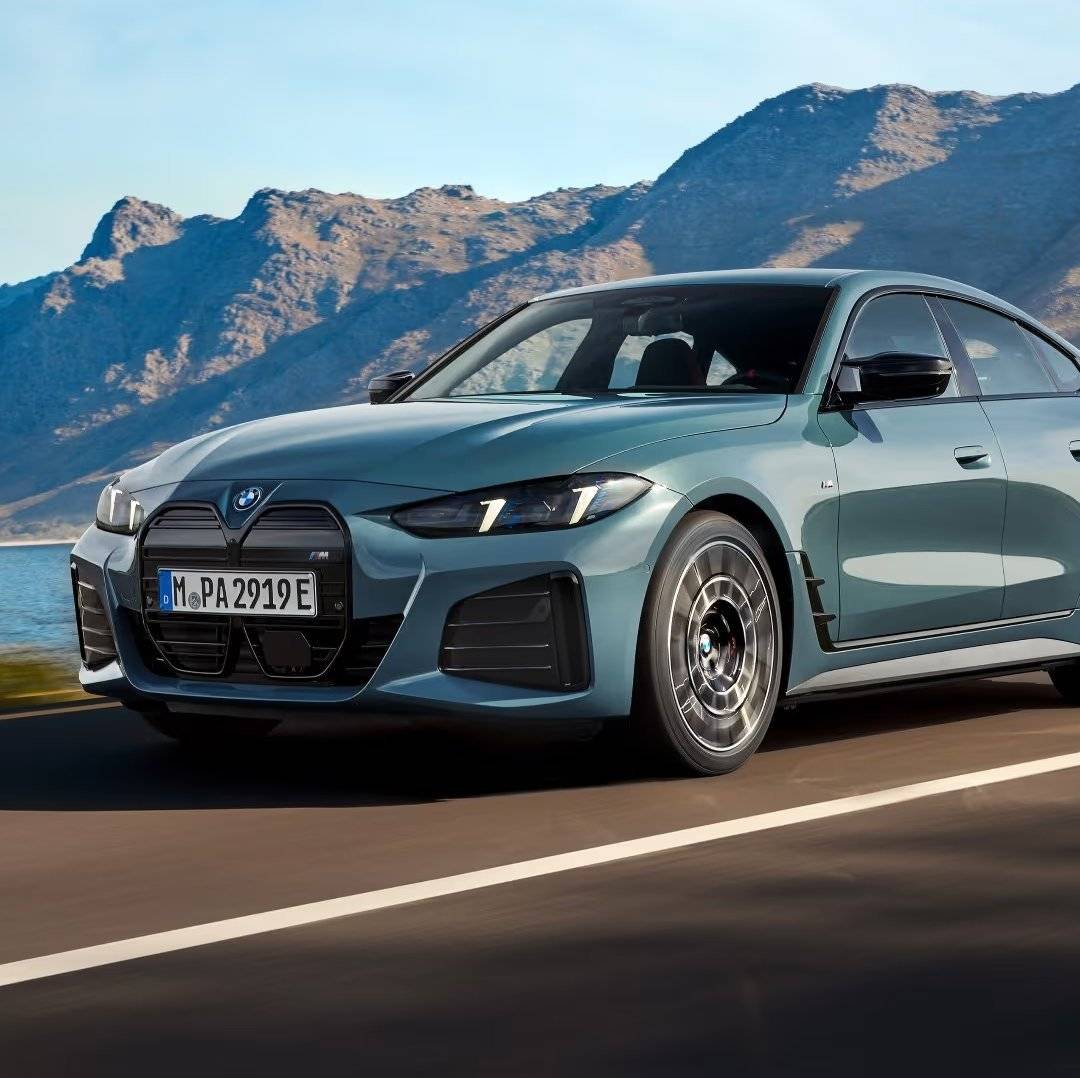 Here's where BMW's decades of chassis- and suspension-tuning experience really shine.
As with most EVs (including Model 3), the i4 benefits from a low center of gravity thanks to its battery placement. There is the MacPherson strut front and multi-link rear suspension, and – on higher trims – adaptive M dampers. The result is a smooth ride that doesn't sacrifice composure through corners, with steering feel that's more communicative than most EVs manage.
The Model 3 isn't a slouch either. Many drivers describe the Premium AWD as "surprisingly sporty and engaging to drive," with athletic, balanced handling and quick, direct steering. Where the two cars differ is character: the Tesla feels quick and eager in a straightforward way, while the BMW feels more deliberately tuned, rewarding a more spirited driving style on a twisty road without feeling unsettled.
So, the key takeaway is that BMW doesn't prioritize straight-line numbers over everything else, and instead genuinely rewards being driven, not just accelerated. Tesla, on the other hand, is focused on being a practical every-day car, not too focused on the fun-factor (except for the Performance trim).
Interior Quality & Technology
This is where opinions tend to diverge the most, and it's worth being upfront about it.
BMW's interior quality is superior – tactile materials and a cabin that feels like it belongs in a luxury vehicle at this price point. The BMW i4 features a traditional layout with physical steering wheel buttons and a driver-focused cockpit. There is also synthetic leather (SensaTec) upholstery, curved display setup, and available extras like ventilated seats and a heated steering wheel reinforce that impression, even if some of those features cost extra.
On the other hand, the Model 3 has a hyper-minimalist interior design with a large central touchscreen. There are far fewer physical buttons than the BMW. It's a love-it-or-hate-it layout; some drivers find it refreshingly clean, others find themselves digging through menus for functions that used to be a single button press. If you’re in the latter group, physical Tesla buttons retrofits are available, to restore the traditional infotainment experience.
The single biggest technology difference, and one that catches a lot of shoppers off guard: the Tesla Model 3 does not support Apple CarPlay or Android Auto, wireless or otherwise. Tesla's ecosystem is entirely self-contained, which works fine if you're happy living inside Tesla's own navigation, media, and app integration.
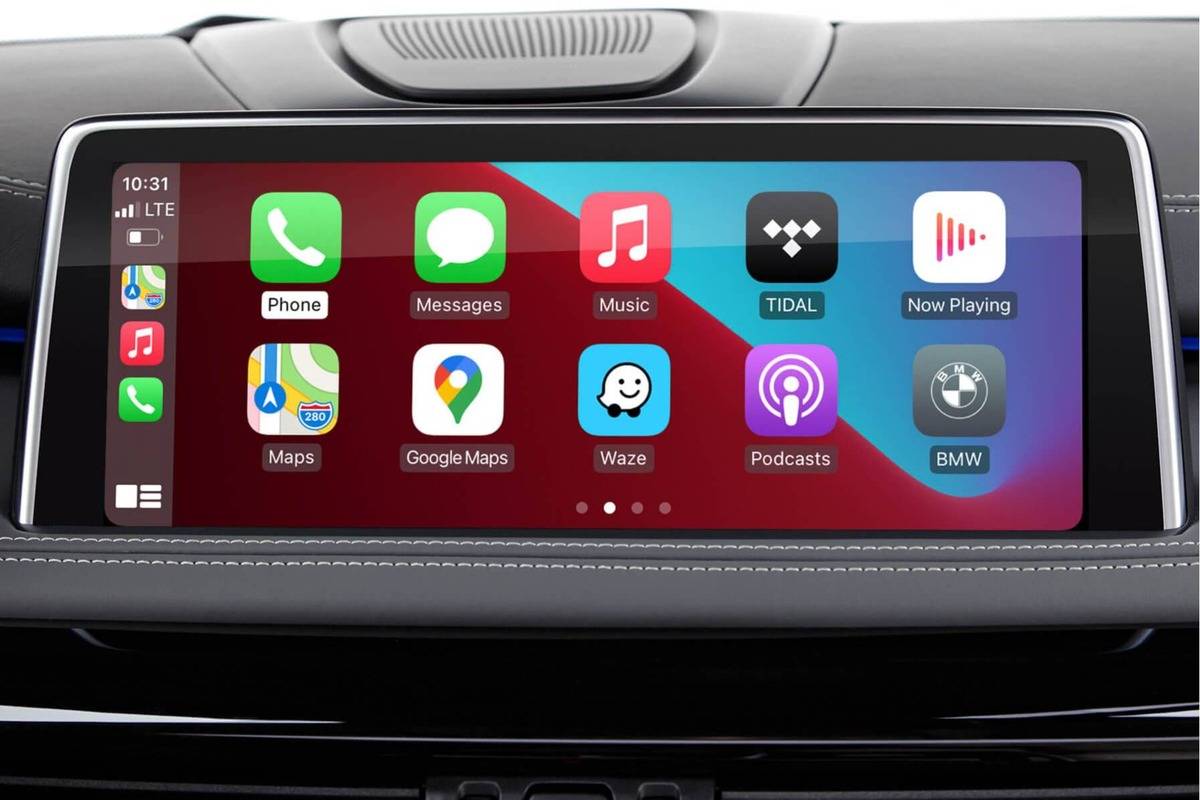
The BMW i4, by contrast, comes standard with wireless Apple CarPlay and Android Auto, letting iPhone and Android users mirror their preferred apps directly onto the i4's screen without giving anything up. If smartphone integration and app familiarity matter to your daily driving experience, this is one of the more overlooked differences between these two cars – and one worth test driving both to feel out before you decide it doesn't matter to you.
Cargo Space & Practicality
The Model 3 offers up to 24 cubic feet of total cargo space between its front trunk and rear trunk, split across the two, which is genuinely useful for a sedan and one of Tesla's practical advantages.
The BMW i4 Gran Coupe takes a different approach with its fastback body style and a hands free power liftgate – wave your foot under the rear bumper, and the liftgate swings open to reveal a wide cargo opening rather than a traditional trunk slot. For anyone regularly loading larger, awkwardly shaped items, that access advantage is hard to overstate, even if the two cars' total volume numbers land in a similar range.
Both cars seat five, with a usable second row that fits adults reasonably well for the class, though neither is going to feel especially spacious back there for taller passengers on longer trips – a fair trade-off given both cars prioritize a sleek, low-slung profile over outright interior volume.
Safety & Driver-Assist Features
Both cars come well equipped on the safety front, with automatic emergency braking, blind-spot monitoring, lane-keeping assistance, and adaptive cruise control included as standard equipment across their respective lineups.
Tesla offers Full Self-Driving (Supervised) as an optional package for $8,000, with a 30-day trial included on new purchases. It's a considerably more advanced suite of driver-assist features than most competitors offer, though it still requires active driver supervision rather than true autonomy.
BMW's Driving Assistance packages cover similar ground with adaptive cruise control, lane-departure warnings, and available parking assistance, generally regarded as a more conservative but reliably polished implementation of the same underlying idea. Both cars post strong crash-test ratings in the compact luxury EV segment.
So Which One Should You Buy? The Short Answer
Neither car is a wrong choice, but they suit genuinely different priorities.
Choose the Tesla Model 3 if the charging network, price, and outright acceleration numbers matter most to your daily driving, and you're comfortable living entirely inside Tesla's own software ecosystem. Choose the BMW i4 if interior quality, a more traditional luxury driving experience, and standard wireless Apple CarPlay and Android Auto integration matter more to you than saving on the sticker price.
Specs and reviews only tell part of the story here – this is a genuinely close competition where seat time changes minds. The best way to compare them is to actually test drive both back to back before deciding.
Whichever you end up with, you're unlikely to walk away disappointed with either.
FAQ
Comments(0)
All ratings
Popular posts:


and get to know all compatible products for your BMW or MINI
Where to find your VIN?