


Mateusz Biela
Aug-19-2026
Is The 2027 Dodge Charger Super Bee A Threat To BMW M3 Competition xDrive?
Two Approaches to AWD Performance
Inside the Cabin – Super Bee or M3 Competition xDrive?
Dodge Charger Super Bee’s Track Tech vs BMW M3
Did Dodge Outperform BMW In Infotainment?
Price And Value Of Super Bee And M3 Competition xDrive
Which Car Is Better For Everyday Drive?
When Should You Choose 2027 Charger Instead Of 2026 M3 Competition xDrive?
Final Verdict – Super Bee Or M3 Competition xDrive?
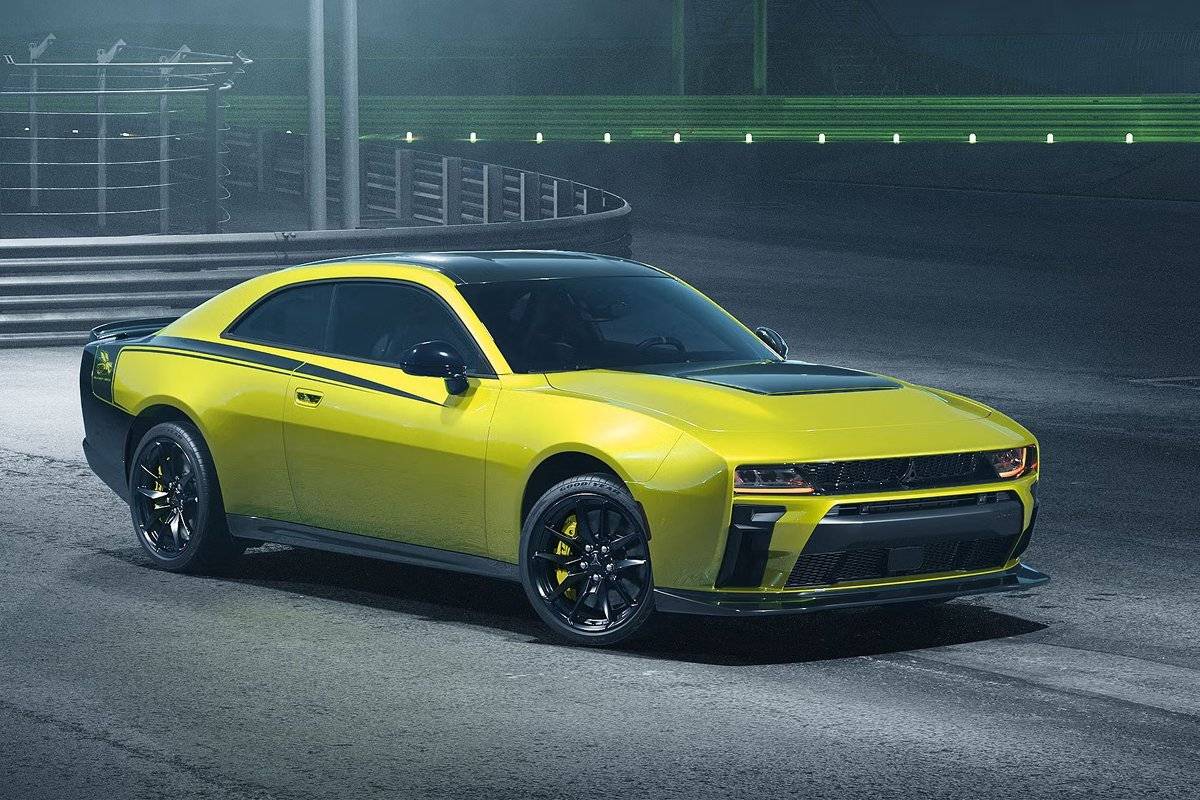
We all know the BMW M3 Competition xDrive. It's been the benchmark for AWD performance sedans for years, and for good reason – sharp handling, serious power, and the kind of everyday usability that makes it as easy to live with as it is to launch off the line. But right now, there's a new name worth putting next to it: the 2027 Dodge Charger Super Bee. It’s just landed with a lot more to say than most people expected.
What’s surprising is the fact Super Bee doesn't have a V8. For a nameplate that's carried a V8 under its hood since 1968, that's a genuine departure – and yet it still managed to turn heads across the enthusiast world. 600 horsepower will do that, V8 or not.
So the question isn't really whether the Super Bee is impressive on paper (because it clearly is), but whether it's impressive enough and similar enough to pull someone away from buying an M3 Competition xDrive. Two AWD performance cars, two very different philosophies, and a price bracket close enough that the comparison actually makes sense. We'll go through power, everyday livability, tech, price, and who each one is really built for, and land on an honest answer by the end.
Two Approaches to AWD Performance
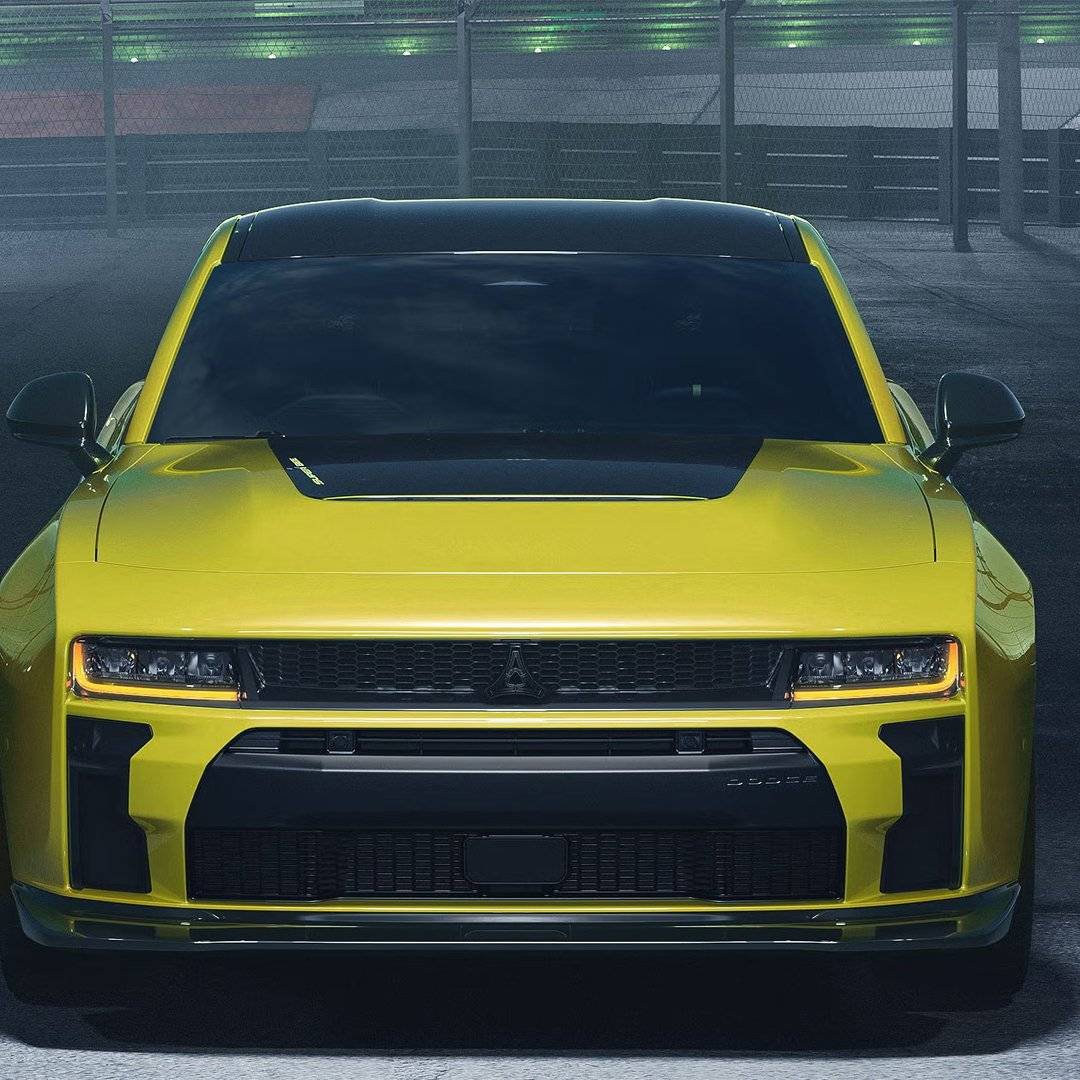 Where the BMW M3 Competition xDrive gives you 523 hp from its twin-turbo 3.0L S58 inline-six, the 2027 Dodge Charger Super Bee counters with a twin-turbo inline-six of its own – the Hurricane HO SIXPACK engine producing 600 hp and 531 lb-ft of torque.
This time, however, the Charger doesn't have a V8, and it won't get one. For a nameplate that's carried a V8 since 1968, that's unusual. But the numbers speak for themselves as it still manages to outperform the BMW on raw horsepower. So if you're chasing more power and more of that pinned-to-the-seat feeling, the Super Bee earns a serious look this time around.
Horsepower isn't the whole story, though. On paper, the M3 Competition xDrive actually gets to 60 mph slightly quicker – 3.5s versus the Super Bee's 3.6s – despite giving up 77 horsepower. It's not a big gap, but it's there, and it says something about how AWD and chassis tuning can close a power deficit.
Both cars also let you play with how that power gets to the ground. BMW's M xDrive system has offered a dedicated 2WD mode for years, letting drivers disconnect the front axle for a more traditional rear-wheel-drive feel. The Super Bee follows a similar idea, with its own dedicated button to switch to full rear-wheel drive – proof Dodge saw the appeal of that setup and built its own version into the Charger's newest performance trim.
Inside the Cabin – Super Bee or M3 Competition xDrive?
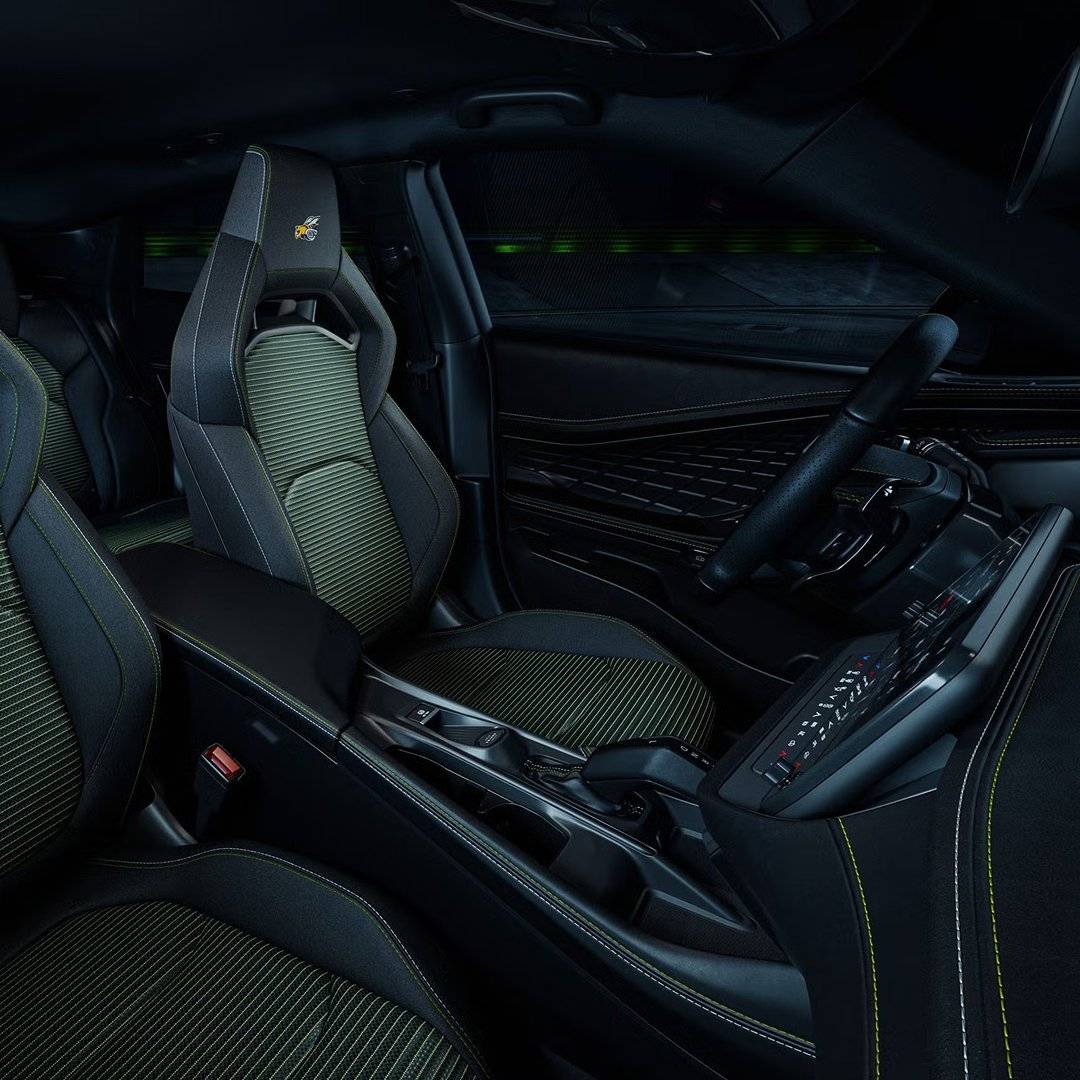 Dodge went a different direction than you'd expect from a range-topping performance trim. Instead of leaning further into leather and luxury, the Super Bee Launch Edition gets the first cloth high-back performance seats of the modern Charger era – aggressively bolstered, with embroidered Super Bee logos, Citrus Peel patterned inserts, and contrasting Silver and Sour Lemon stitching carried through the doors and shift boot.
It's paired with a Super Bee-specific leather steering wheel and a dedicated instrument-panel badge. Dodge tries to tell us that they built a driver's cabin, not a showroom piece.
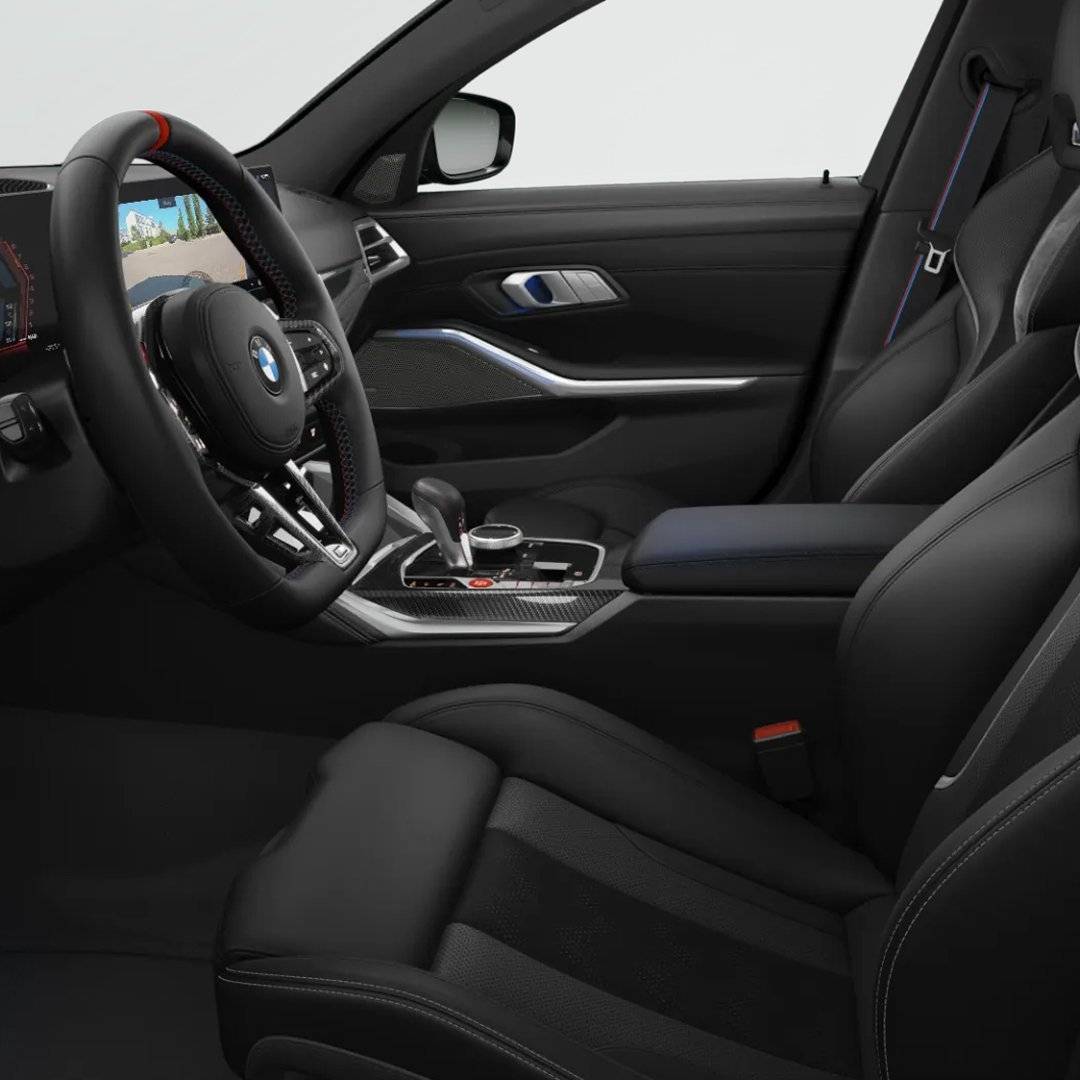
Meanwhile BMW takes the expected luxury route. The M3 Competition xDrive comes with Extended Merino Leather upholstery across several color options, and buyers can choose to step up to M Carbon Bucket Seats – lightweight buckets with an illuminated M badge and carbon accents, paired with an M Leather Steering Wheel and available Carbon Fiber Trim throughout the cabin.
If you want sport-focused materials without paying extra, the Super Bee wins this one outright – its performance seats are standard, not an upsell. If you want a cabin that feels premium the moment you sit in it, with the option to add track-focused pieces later, the M3 has the edge. Buyers cross-shopping on interior alone will likely lean BMW, while buyers who don't want to pay extra for a seat that just works will lean Dodge.
Comfort is worth a closer look, though, and it cuts both ways. BMW's optional M Carbon Bucket Seats are genuinely uncomfortable on longer drives, but the standard M Sport seats – more civilized while still sporty, with adjustable side bolsters – are incredibly comfortable.
The Super Bee's cloth seats look less aggressively bolstered by comparison, with wider backrests and seat bases, which likely means weaker lateral support for anyone without a larger frame. In that context, BMW's standard seats – despite offering much stronger lateral support – will likely end up far more comfortable day to day.
Dodge Charger Super Bee’s Track Tech vs BMW M3
 Both cars come with genuine track hardware and not just badges suggesting they're capable.
The Super Bee's headline feature here is the Drive eXperience Recorder, included on the available Track Package – a forward-facing 1080p, 60-fps built-in dashcam that captures your circuit on camera, maps a racing course, and allows in-vehicle playback with post-event analysis.
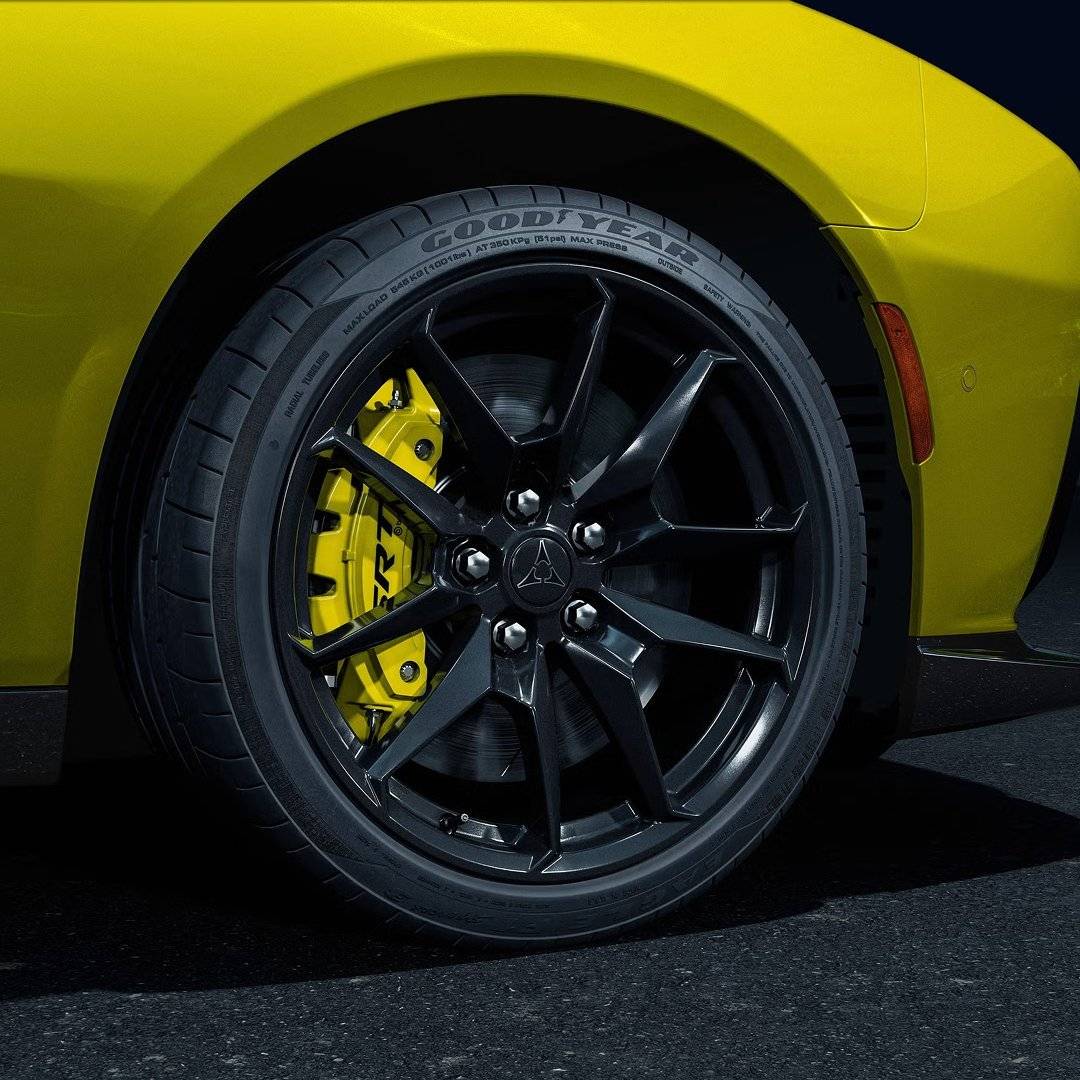
Add in Launch Control, dedicated Track and Drag driving modes, six-piston front and four-piston rear Brembo brakes, and the Dual-Valve Adaptive Damping System, which uses separate compression and rebound valves for more precise handling control, and it's clear this car was engineered around repeated hard use, not a single fast pass.
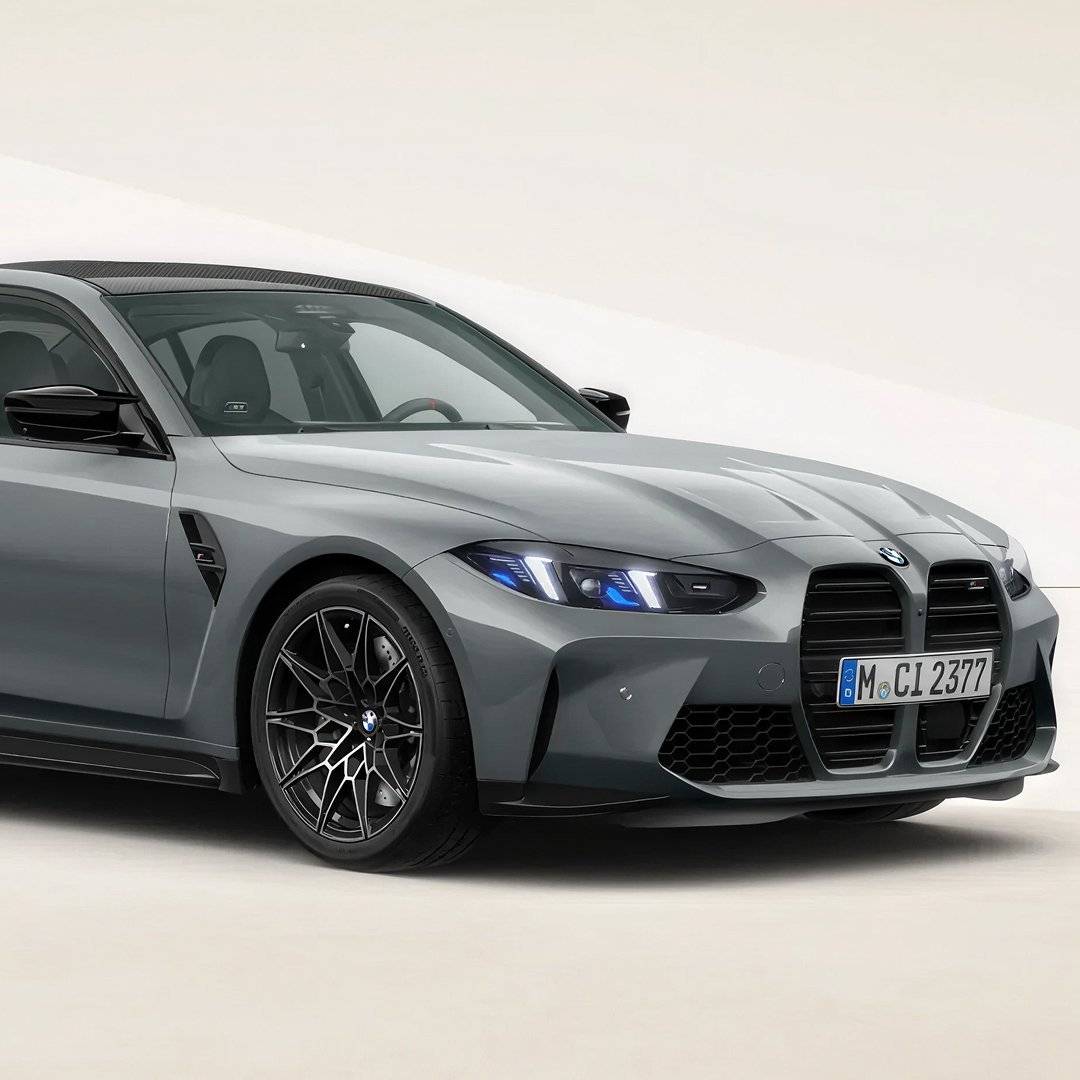
BMW answers with its own track-oriented options. Buyers can add the M Carbon Exterior Package (carbon mirror caps, rear spoiler, and diffuser insert) and the M Carbon Roof to cut weight and lower the center of gravity, plus the M Carbon Bucket Seats mentioned above. The M3 Competition xDrive's standard M xDrive system also includes a dedicated 2WD mode for track-day drifting, alongside its usual 4WD and 4WD Sport settings.
The difference comes down to focus. Dodge built its track features specifically around documenting and repeating hard driving sessions – the Drive eXperience Recorder alone is something no M3 buyer can option, at any price. BMW spreads its track-capable hardware across weight reduction and driving-mode flexibility, which suits a driver who wants one car that's equally sharp on track and comfortable commuting home.
For dedicated track-day enthusiasts who want to record and analyze every lap, the Super Bee's Track Package seems to be the more purpose-built answer. For someone who wants track capability without sacrificing the daily-drive side of the equation, the M3 Competition xDrive still holds the edge.
Did Dodge Outperform BMW In Infotainment?
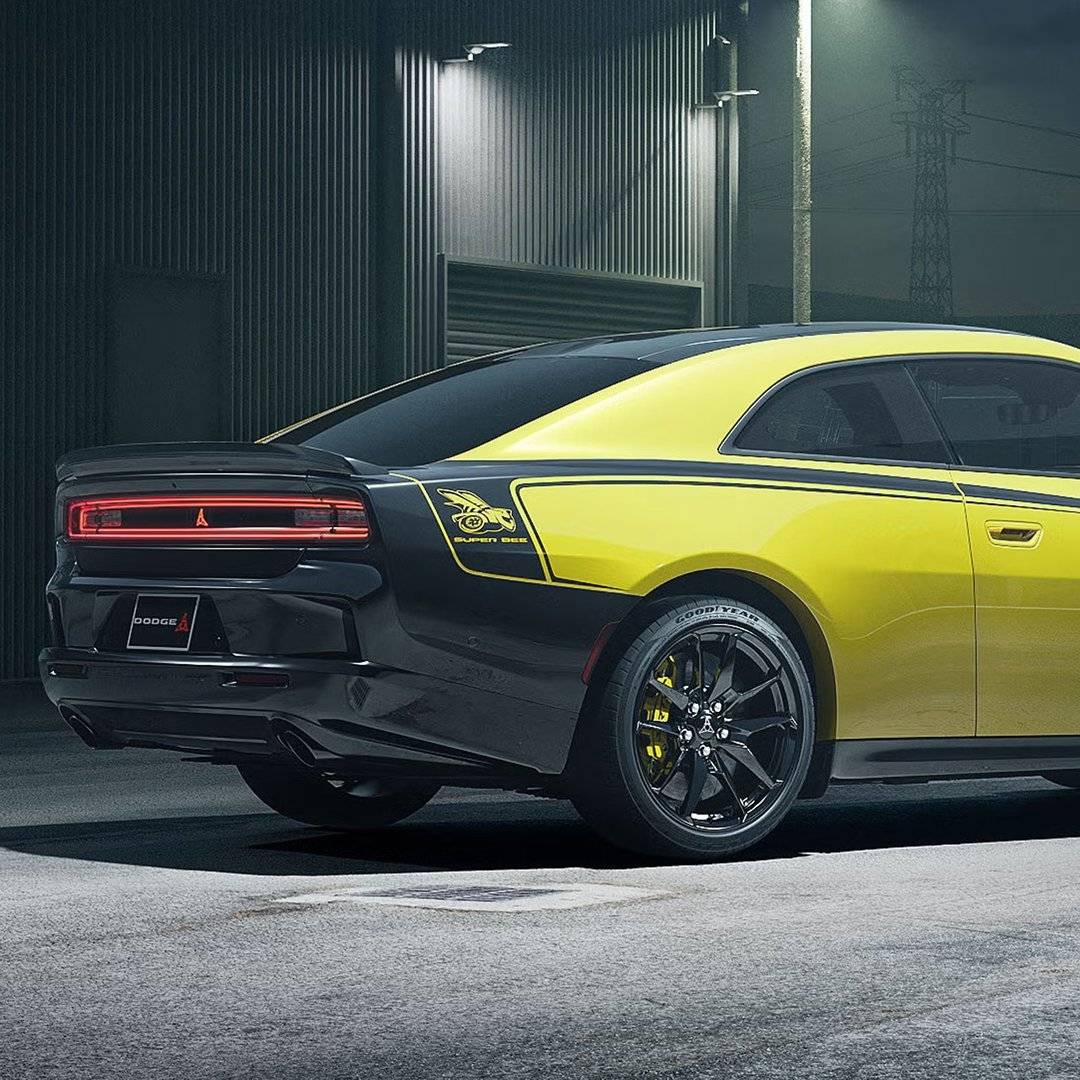 The Super Bee comes with a 12.3-inch Uconnect touchscreen, push-button drive modes, and radar and ultrasonic sensors for driver monitoring. Add in the new performance steering wheel with its dedicated RWD button and larger paddle shifters, and it's clear Dodge built this cockpit around performance first, tech second.
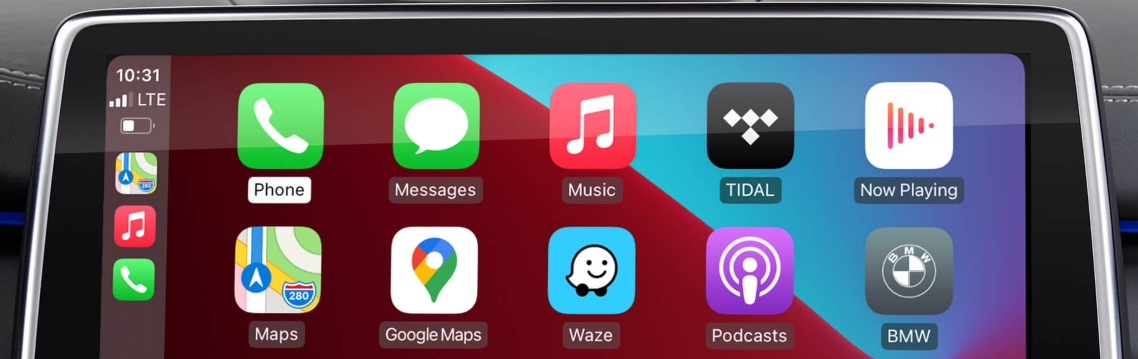
BMW takes a different approach. iDrive 8.5 with QuickSelect gets you into media and navigation faster, without digging through menus. The voice-activated Intelligent Personal Assistant and My BMW App connectivity round out a system that's been refined over several generations. On the safety side, the M3 comes standard with Lane Departure Warning, Active Blind Spot Detection, and Frontal Collision Warning, with an optional Driving Assistance Professional package for buyers who want more.
So, did Dodge outperform BMW here? Not quite. The Super Bee's tech is solid and clearly built with the driver in mind, but iDrive 8.5 is a more mature, more polished system overall – this is still one of BMW's strongest categories, and the M3 shows it.
Price And Value Of Super Bee And M3 Competition xDrive
While Super Bee pricing hasn't been announced yet, the outgoing 2023 Super Bee was estimated around $86,000. In the meantime, the 2026 M3 lineup puts the standard M3 at $79,575, the Competition at $83,775, and the Competition xDrive at $88,875.
We're still waiting on confirmation, but based on that estimate, the Super Bee would land right in the same bracket as the M3 Competition xDrive, which is exactly why the newest Dodge may be worth taking seriously once real pricing lands.
Which Car Is Better For Everyday Drive?
 Let's say you want one of these as a daily driver. Both cars can burn through fuel fast when you're pushing them, but which one actually holds up in city traffic and the daily grind?
The M3 Competition xDrive comes with known numbers: 16 mpg city, 23 mpg highway, 18 mpg combined. It weighs 3,990 lbs and offers 16.9 cu ft of cargo space – reasonable for a sports sedan, though not class-leading. Power goes exclusively through an 8-speed automatic on the Competition xDrive trim; if you want a manual, you'd have to step down to the base M3, which loses the AWD.
The Super Bee's fuel economy hasn't been published yet, so we can't put a number next to it – Dodge's broader Charger Sixpack lineup is rated around 17 mpg city and 26 mpg highway, but that's for lower-output trims, not the 600-hp Super Bee specifically. What we do know is how it delivers that power day to day: an 8-speed automatic, larger half-shafts to handle the torque, and a cooling system built for repeated hard driving rather than a single fast pass and a cooldown period.
But let's be real here for a second. EPA and manufacturer-quoted numbers are tested under controlled, ideal conditions and they rarely match what you'll actually see with a heavy right foot, cold starts, or stop-and-go traffic. You can see on many forums that M3 owners talk about getting better real-world mileage than the window sticker suggests, as long as you're not constantly leaning on the performance.
Push either car hard, though, and that advantage disappears fast. A 600-hp muscle car and a 523-hp AWD sport sedan are both going to drink more than their window sticker suggests the moment you start using the performance you paid for. At the end of the day, real-world mpg comes down to the type of driver you are more than the number on the spec sheet.
That last point matters more on track than it does in traffic. Dodge engineered the Super Bee's thermal management for repeated hard runs – think back-to-back laps, not a daily commute. In everyday driving, even aggressive use won't push either car's cooling system hard enough to matter; this is a track-day advantage, not a comfort one.
When Should You Choose 2027 Charger Instead Of 2026 M3 Competition xDrive?
 If straight-line performance is what gets you excited, the Super Bee has a real edge. Launch Control sets the torque at the wheels for consistent starts, while dedicated Track and Drag driving modes tune the car specifically for repeated runs down a quarter mile. Add line lock, which warms the rear tires before a launch, and this is hardware built by people who actually go to the strip. The M3 Competition xDrive is quick, but none of its tech is built around this specific use case the way the Super Bee's is.
There's also the question of feel. The Super Bee lets you switch to full rear-wheel drive with a dedicated button and pairs that with cloth performance seats built for hard use, not upsold as an option. This is a car engineered for someone who wants to feel the drivetrain working, not one smoothed over for comfort first.
Then there's what the badge represents. The Super Bee nameplate goes back to 1968, returned for a limited run in 2007, and closed out its previous generation with the 2023 "Last Call" edition. That's nearly six decades of muscle car heritage tied to three letters on a fender – something the M3 can't replicate with the same nostalgia.
So if you track lap times rather than just talk about them, want a car that demands your involvement, or value muscle car pedigree over polish, the Super Bee is the one to choose.
Final Verdict – Super Bee Or M3 Competition xDrive?
We can't declare a definitive winner here, especially with the Super Bee still months from release and pricing unconfirmed. What we can offer is a clear read on who each one is actually for and whether it's the real threat.
If you're loyal to BMW's blend of precision, tech, and everyday refinement, the M3 Competition xDrive remains the safer, more proven choice. It's a known quantity, and everything about it – from iDrive to that AWD system – is built to reward you daily, not just on a track day.
If American muscle is more your speed, the Super Bee deserves a real look. The vibe won't be identical to past generations – losing the V8 changes something fundamental about the character these cars have always had. But Dodge clearly found a way to make the inline-six work. 600 horsepower, standard AWD, and genuine drag-strip hardware suggest this car has earned its name, even without the engine that used to define it.
So, is it a threat? For BMW loyalists, not really – the M3's polish and pedigree aren't going anywhere. But for anyone shopping this price range with an open mind, the Super Bee just became a legitimate name on that list, and that alone makes it more of a threat than BMW probably expected.
The honest answer is that neither car makes the other one look bad. It comes down to what kind of performance you actually want.
FAQ
Comments(0)
All ratings
Popular posts:


and get to know all compatible products for your BMW or MINI
Where to find your VIN?