


Radoslaw Zbroinski
Mar-31-2026
How Often Does a BMW Need An Oil Change? Tips & Maintenance Tricks
Why is a BMW oil change so important?
Not all fluids are created equal - What BMW engine oil options are there?
1. Full synthetic oil
2. Conventional oil (mineral oil)
3. Synthetic blend oil (semi-synthetic)
How to choose the right oil? Viscosity and multi-grade
How to schedule oil change intervals?
Where to get BMW oil change?
How to perform BMW oil change yourself? Tips & tricks
After service care and high mileage considerations
Summary - Now you know all about the BMW oil change!
Let's be honest: an engine oil change is the automotive equivalent of eating your vegetables. It's not flashy like a new set of M Performance wheels and it doesn't give you a thrill like a fresh Stage 1 tune. But if you want your car to live a long, healthy life—and avoid a five-figure engine rebuild—it's the single most important bit of BMW maintenance you’ll ever do.
Normally, it’s advised to change engine oil and filter in your BMW (or any other car for that matter) every 6,500 miles (~10,000 km) or at least every 9,000 miles (~15,000 km). However, there are some exceptions to this rule – and we’re going to take a look at them in this article. Apart from that, we’re going to tell you exactly what else you need to know about keeping your engine lubricated and happy.
Coming up, you'll learn:
- Why a BMW oil change service is more than just a "recommendation"?
- Full synthetic motor oil vs. synthetic blend vs. conventional oil – which one to choose?
- How to read oil viscosities like a pro?
- How does your car's oil life monitoring system work and how to read it?
- What should you know about DIY BMW oil change?
Read on to find out!
Why is a BMW oil change so important?
At its most basic level, motor oil is there to reduce friction. In a modern engine, metal parts are moving against each other at thousands of revolutions per minute. Without a thin film of oil between them, the heat and wear would destroy the engine in minutes, most likely by seizing it.
But it’s not just about lubrication. A fresh oil change service also helps with:
- Fuel economy – fresh oil reduces internal drag, acting as a fuel economy safeguard.
- Cleaning – the oil carries away microscopic metal shavings and carbon deposits to the oil filter.
- Cooling – it also helps move heat away from the combustion chamber to ensure efficient performance.
Think of it this way: your BMW driving experience relies on hundreds of tiny explosions per second. Between the pothole-filled roads and the high-revving nature of many BMW engines, your oil is working really hard.
Not all fluids are created equal - What BMW engine oil options are there?
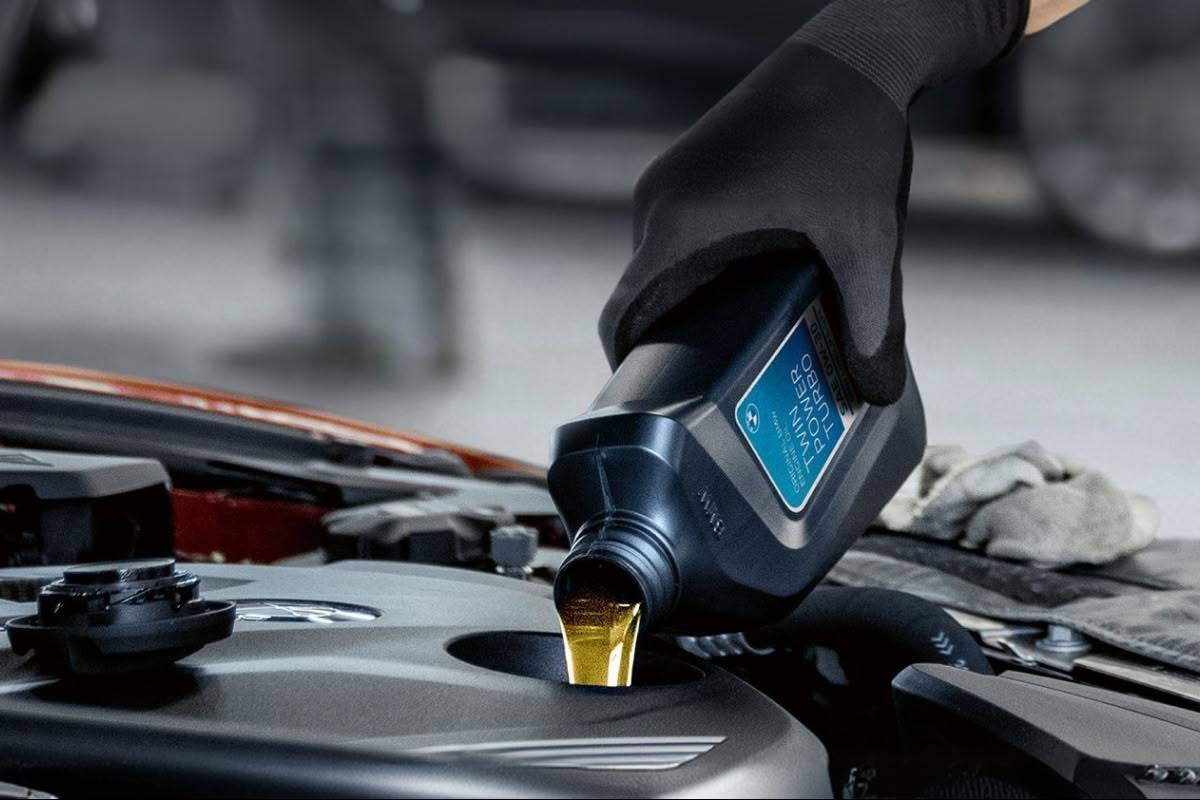
 While there are a couple of motor oil types available, a fully synthetic formulation is the most common one for the modern-day cars, such as your BMW. What exactly does it mean that it’s “fully synthetic” though? After all, “synthetic” sounds similar to “artificial,” which usually denotes something lesser… Well, not in this instance, but let’s take a closer look at this classification.
1. Full synthetic oil
This is currently the gold standard for motor oils. Full synthetic oil is engineered in a lab to have uniform molecule sizes. This offers better stability at high temperatures, superior flow at cold starts, longer-lasting lubrication, and more consistent viscosity across a wider range of conditions. Most new cars (including BMW models) require premium synthetic oil. It's more expensive than the old-school stuff, but it lasts longer and keeps your engine intact.
2. Conventional oil (mineral oil)
As its name suggests, mineral oils are refined from crude oil, instead of being formulated synthetically like the ones described above (duh!). They are cheaper, but unless you are driving a very old car from the 80s or earlier, you should probably avoid them. Modern engines are designed with tighter tolerances that require the flow properties of synthetic motor oil.
3. Synthetic blend oil (semi-synthetic)
A synthetic blend (or semi-synthetic) oil is exactly what it sounds like: a mix of conventional (mineral) and synthetic oils. It offers better protection than the less expensive conventional motor oil at a slightly lower price point than full synthetic. It might be okay for certain BMW models, but always check your owner's manual first before you decide to use it.
How to choose the right oil? Viscosity and multi-grade
"What oil type should I use?" is one of the most common car maintenance-related questions asked on the Internet. Probably followed by something like “Should I get 0W-20 or 5W-30 oil?” asked by those that already took a deeper dive into this subject. While the answer to the former always lies in your BMW owner's manual, here’s how to decode the numbers from the latter (like 5W-30).
These numbers denote viscosity grades, hence if an oil is labeled as 5W-30 it’s a multi-grade oil – with a winter grade and non-winter grade. This also answers the question of why there might be two grades to begin with: they indicate oil’s properties at low temperatures (5W) or at engine’s operating temperatures (30). The rating is determined based on the SAE J300 standard, which specifies the exact parameters a motor oil should meet to be assigned a given grade.
If you don’t know what viscosity means, here’s a brief recap. Low viscosity oil flows easier, which is great for fuel economy. However, you also need enough "thickness" to protect the parts when things get hot. At the same time, you can’t use too thick of an oil, since it can clog up the lubrication system of your engine.
I know, right?
That’s why it’s usually best to just stick to the manufacturer’s recommendations for the oil viscosity, unless you plan on running your car in some extreme conditions. Even then there are often a couple of optimal grades listed in the user manual with annotations regarding the specific use case for each.
What you shouldn't stick to though are the manufacturer recommended oil change intervals...

How to schedule oil change intervals?
There are many recommendations on the Internet, but I am a firm believer in keeping it reasonable and ignoring the very long intervals suggested by BMW’s manual. Nowadays, car makers recommend both longlife oils and extremely long BMW oil change intervals, which is only good for their profits. Because the cars last shorter, so the customers have to buy new ones every few years.
Anyway: keeping it reasonable means changing the engine oil and oil filter every ~6,200 miles (10,000 km) or at least every 9,300 miles (15,000 km), even if you got the car brand-new. Stretching it past 10,000 miles or so will do you no good for the longevity of your car – the oil will get dirty and it will clog up the filter, which may result in other problems.
If you do a lot of city driving (short trips where the engine never fully warms up), you should also consider more frequent oil change intervals. The same thing goes for high mileage BMWs, where it is often recommended to change the oil every 5,000 to 7,500 miles regardless of what the computer might say.
How will you know if it’s time for an oil change?
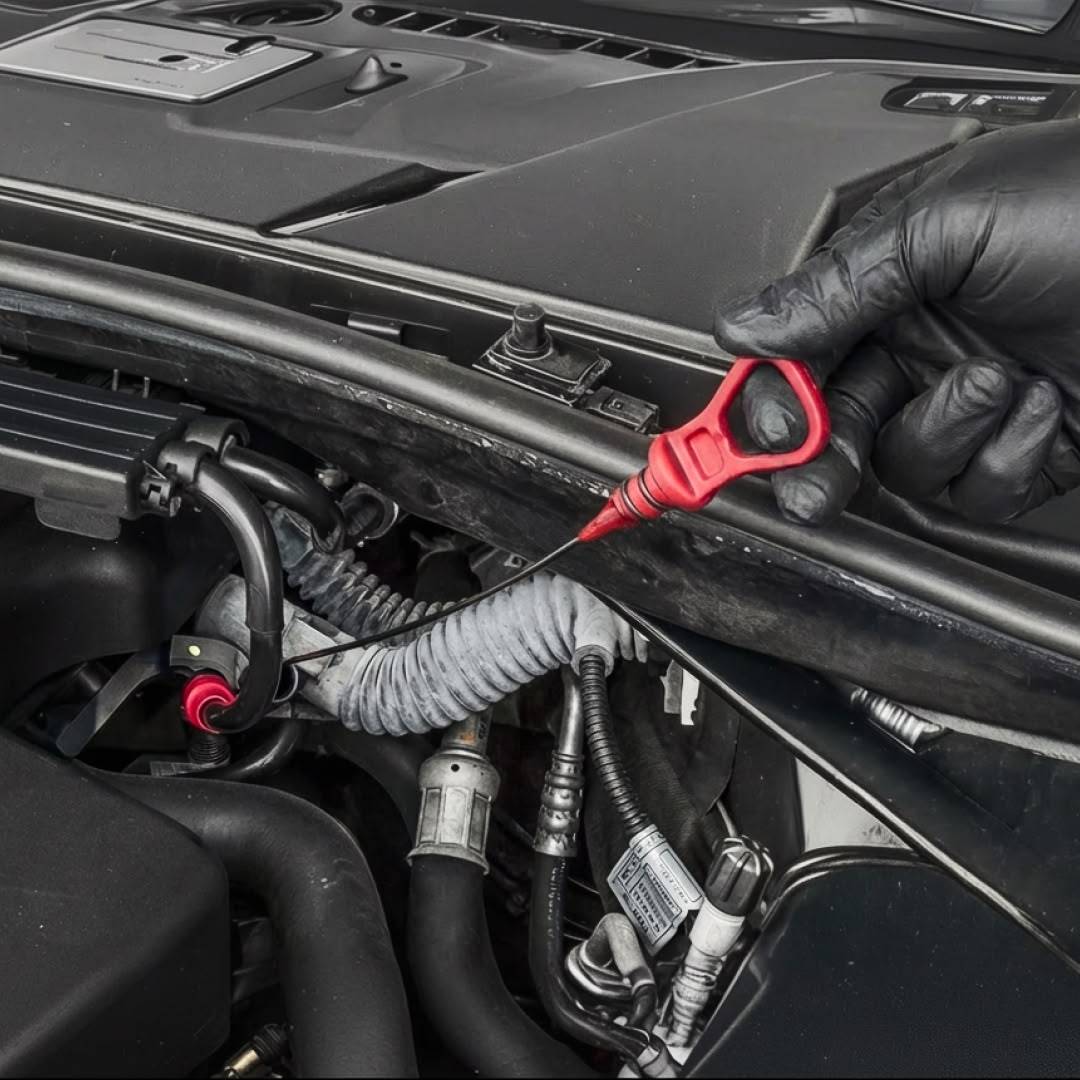
On most new BMW models, you can't use a traditional dipstick to verify the engine oil condition. Instead, you have to rely on a Condition-Based Service (CBS) system combined with a digital oil level indicator, accessible in the “Vehicle Settings” tab of the screen.
These oil life monitoring processes check the temperature, load cycles, mileage, and driving style to calculate when the oil actually needs changing, rather than defaulting to a fixed mileage interval. This system only works correctly if the oil being used matches the spec that was entered into the system at the last BMW oil change service.
Where to get BMW oil change?
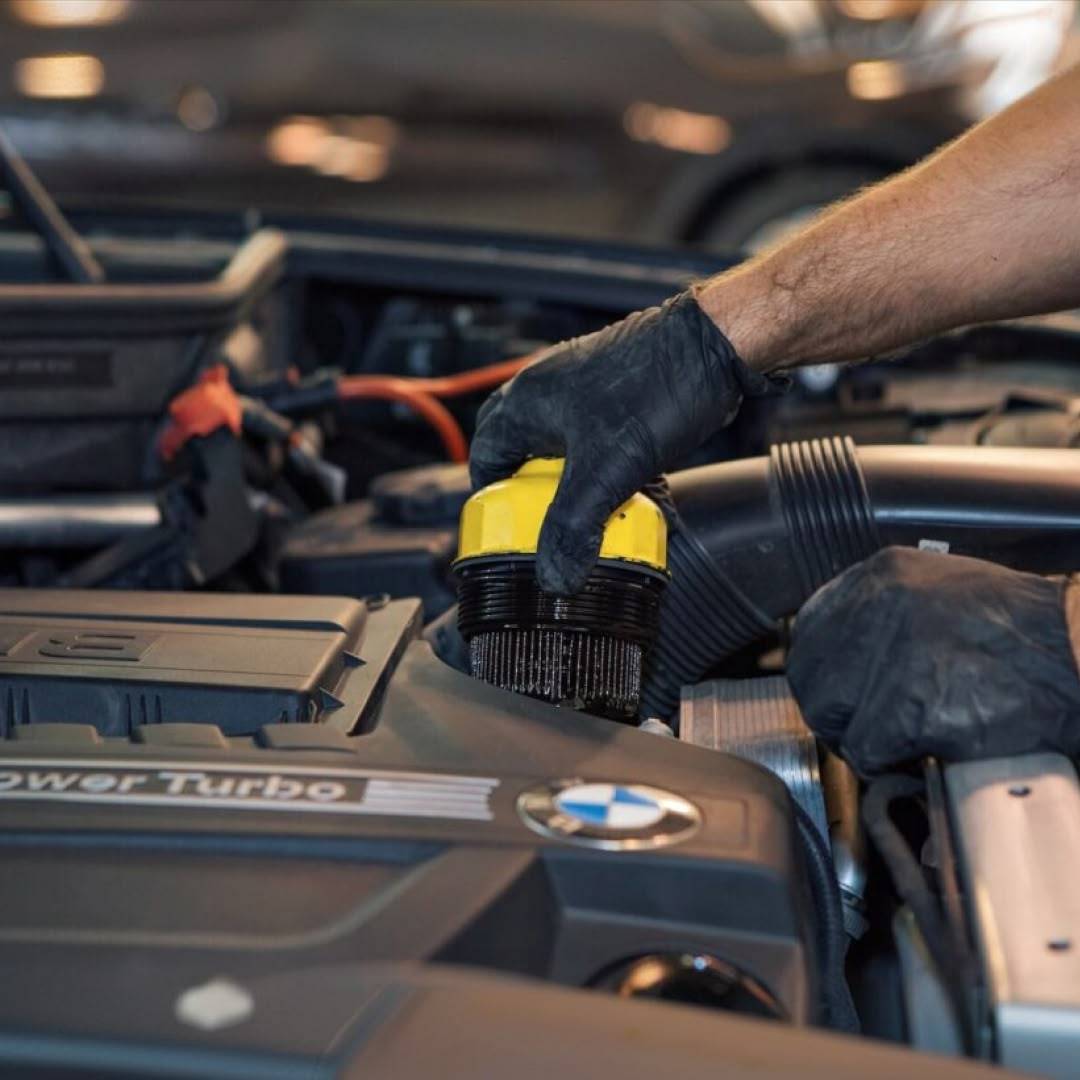
 You have four main paths for your BMW oil change service.
1. The authorized BMW service center
These are the premium option and, for most owners, the default choice. BMW trained technicians know the specific requirements of each engine, have access to the correct oils and OEM BMW Oil Filters, and can reset the CBS service indicator properly. They’ll also catch any other issues during the inspection that comes with a standard service. The downside is cost – a BMW oil change service at a dealership will typically run more than the same job at an independent shop.
2. Independent mechanic shops
This is a perfectly viable alternative, provided they have experience with BMW engines and stock the appropriate premium synthetic BMW oil. An independent shop that regularly services BMW and MINI will know the Longlife specifications, carry the correct oil filter, and reset the service indicator – all the things that matter. An independent shop that doesn’t regularly work on European cars and just stocks generic “multi-grade synthetic” is a different story. Ask specifically about BMW Longlife spec compliance before booking.
3. Mobile oil change services
Recently growing in availability and are worth mentioning for owners who value convenience. A technician comes to you, typically at home or at your workplace, and performs the service on-site. Quality varies significantly between providers, so it’s worth checking that any mobile service you use carries the correct BMW-approved oil and knows how to reset the CBS indicator on your specific model.
4. Yourself
The not-so-obvious choice, only for those who are mechanically inclined, have prior experience working on their car, and know they can handle the oil change safely.
How to perform BMW oil change yourself? Tips & tricks
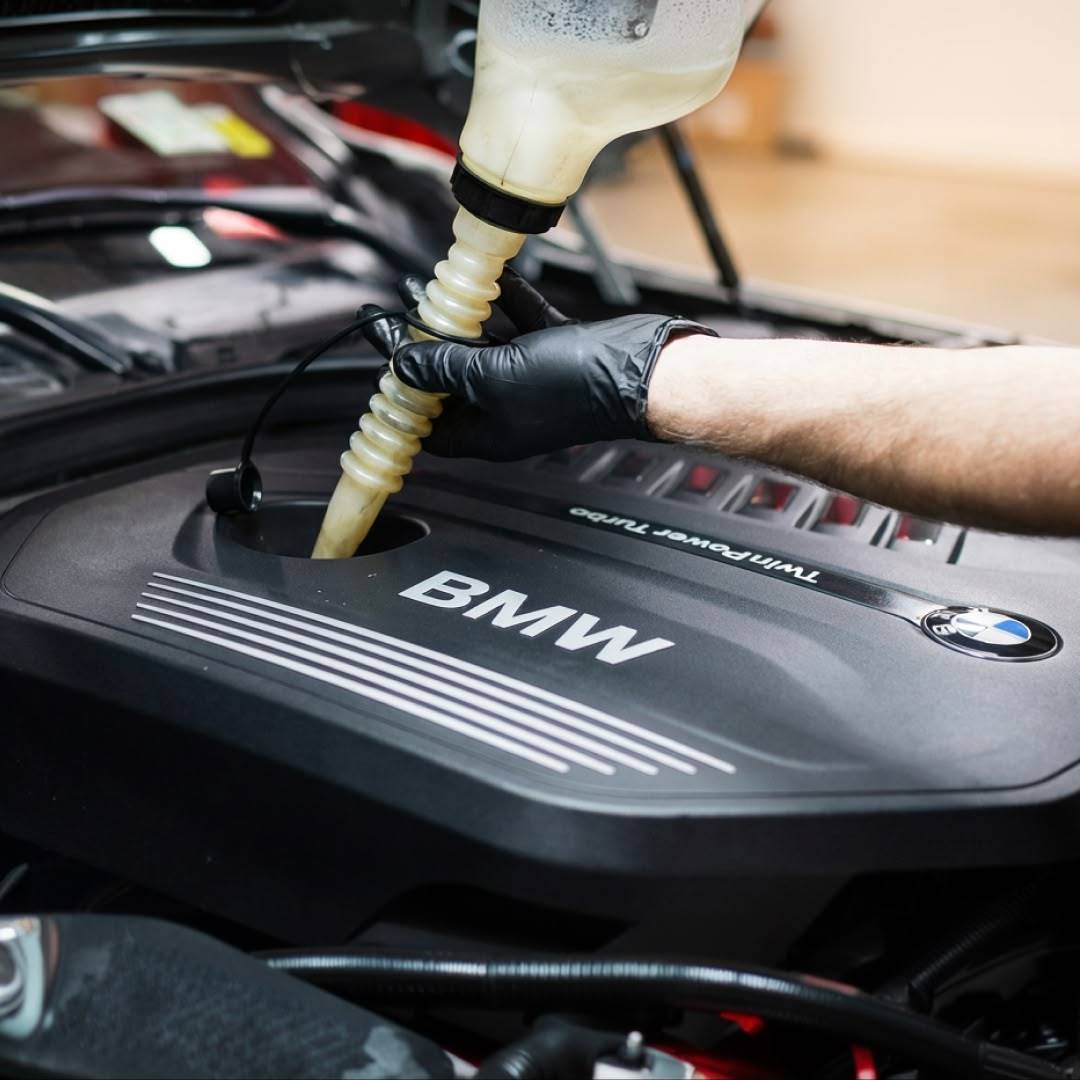 If you’re the hands-on type, a BMW oil change is not that difficult of a job to do yourself. You’ll need a few basic tools: a socket set, an oil filter wrench, a drain pan, and a torque wrench.
A quick note on safety though: be very careful if you decide to do it on your own. While it is a simple job, doing it wrong might result in costly damage to your engine (e.g., due to the wrong viscosity of the oil used, bad quality oil, or improperly seating the oil filter). If you aren’t 100% confident you can handle it, just take it to your trusted service technician.
Anyway, the process should look something like this:
- Warm up the engine (oil drains better when warm). WARNING! Do not change it when it's hot; warm's enough.
- Locate the drain plug under the vehicle.
- Drain the old BMW oil into a pan.
- Replace the oil filter (don't forget to lubricate the new O-ring!).
- Refill with the appropriate oil.
- Reset the service light through the iDrive or instrument panel.
CAUTION: BimmerTech does not take responsibility for any damages or injuries resulting from an improper oil change.
After service care and high mileage considerations
Once the service appointment is done, keep the receipts, as they are gold for resale value. If you have a high mileage Bimmer, consider using a specialized high mileage oil that contains conditioners to help prevent seal leaks. And don't forget the other fluids as well: if you drive a diesel, keep an eye on your diesel emission fluid (AdBlue) levels, as these often need topping up around the same time as an oil service.
Summary - Now you know all about the BMW oil change!
Keeping your BMW healthy doesn't have to be a mystery. By choosing the right full synthetic motor oil, sticking to your oil change intervals, and paying attention to your oil life monitoring system, you’ll ensure your Bimmer stays on the road for years to come. Whether you visit a BMW service center for a value service or get your hands dirty in the garage, your engine will thank you – just don’t make it work overtime on dirty oil!
FAQ
Comments(0)
All ratings
Popular posts:




and get to know all compatible products for your BMW or MINI
Where to find your VIN?