























[[post.title]]
We're changing for you!
Check out our new website 
We're changing for you!
Check out our new website
BMW Original Parts
Search by VIN
Search by VIN
Feb 19, 2026
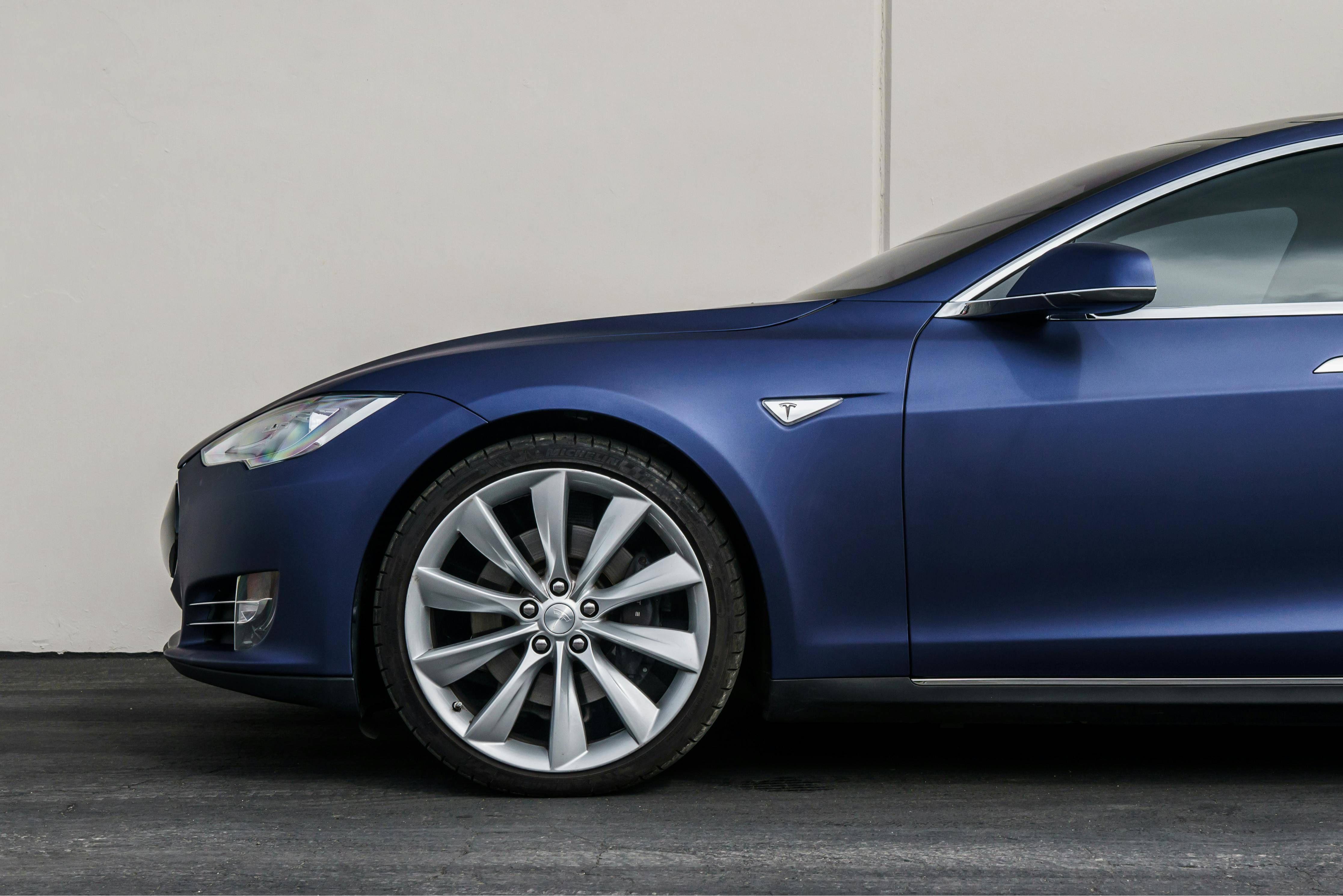
You've probably never given much thought to what's between your Tesla and the road. Tires are tires, right? Well, not quite – after all, they are what keeps your vehicle on the road! EV tires and regular tires might look identical from a distance, but underneath the rubber there are some meaningful engineering differences in both tire compound and thread design. Just like EVs are meant to reduce pollution and increase energy efficiency, their tires are optimized for rolling resistance and noise, all without sacrificing safety and handling too much. But are they really necessary? And how exactly are they different from normal tires?
Coming up, we'll learn:
Let's get rolling!
A short answer is: not strictly, but it helps.
Silent powertrains and the desire of car manufacturers to maximize range on a single charge have led tire companies to prioritize two things: low rolling resistance and noise levels. The former helps EVs achieve better mileage, while the latter makes them much more comfortable to travel in.
However, there are also other considerations they have to take into account when designing tires for battery-powered vehicles.
1. Weight
EVs are generally heavier because of their large battery packs. For example, a Tesla Model 3 weighs around 4,000 pounds, while a similar-sized gas car like the BMW 3 Series comes in closer to 3,500 pounds. That extra mass requires tires with higher load ratings to handle the added stress (especially during acceleration or braking).
2. Instant torque
Unlike gas engines, electric motors deliver their maximum torque immediately. That kind of acceleration puts significant strain on tires right from the get-go, making durability and tread compound quality especially important.
3. Rolling resistance
Rolling resistance is a friction force that opposes a tire's motion as it rolls on the road. Higher rolling resistance demands more energy to keep your car moving and, as mentioned earlier, this negatively impacts the EV's overall efficiency. To combat this, EV tires use advanced rubber compounds, shallower grooves, and specialized tread patterns.
What does this translate to? Using special tires with lower rolling resistance on an EV can lead to an increase in efficiency of 3–7%. That being said, changing from stock tires will not always result in such an improvement – EV makers often install the most efficient options right away.
Fun fact (or two) about the rolling resistance: as the tire thread gets used up, it decreases, meaning the EV can gain 4–15% in range at 50 mph or 2–6% at 80 mph. This doesn’t mean you should be driving on totally worn tires (you shouldn’t), but you might notice some improvements after driving on them for a while. Additionally, as you can see any range improvements are less significant at higher speeds, be it from tire wear or just swapping tires.
4. Noise
Electric vehicles are inherently quieter than ICE vehicles because they lack an engine, a significant noise source. The increased quietness can make other sounds, such as tire or wind noise, more noticeable. To address this, many EV-specific tires include foam inserts in the inner liner that absorb sound from the inside of the tire before it reaches the cabin.
Okay, okay, now that we’ve got these key differences covered, let’s answer a simple question: can you use regular tires on your Tesla?
Yes.
Yup, no “this depends.” Just a straight “yes.” Obviously you would be sacrificing some efficiency, but the difference is not critical. It comes down to your preferences – modern EV-specific options offer decent performance, on par with regular mid-to-high tier summer or winter tires. If you drive spiritedly, you might want to opt for some high-performance seasonal tires. If you want to chase maximum range and better wear characteristics, the EV tires will be better.
This brings us to yet another aspect of this subject: tire types. While the segment is steadily growing, there are less all-season and all-weather options designed specifically with EVs in mind to choose from.
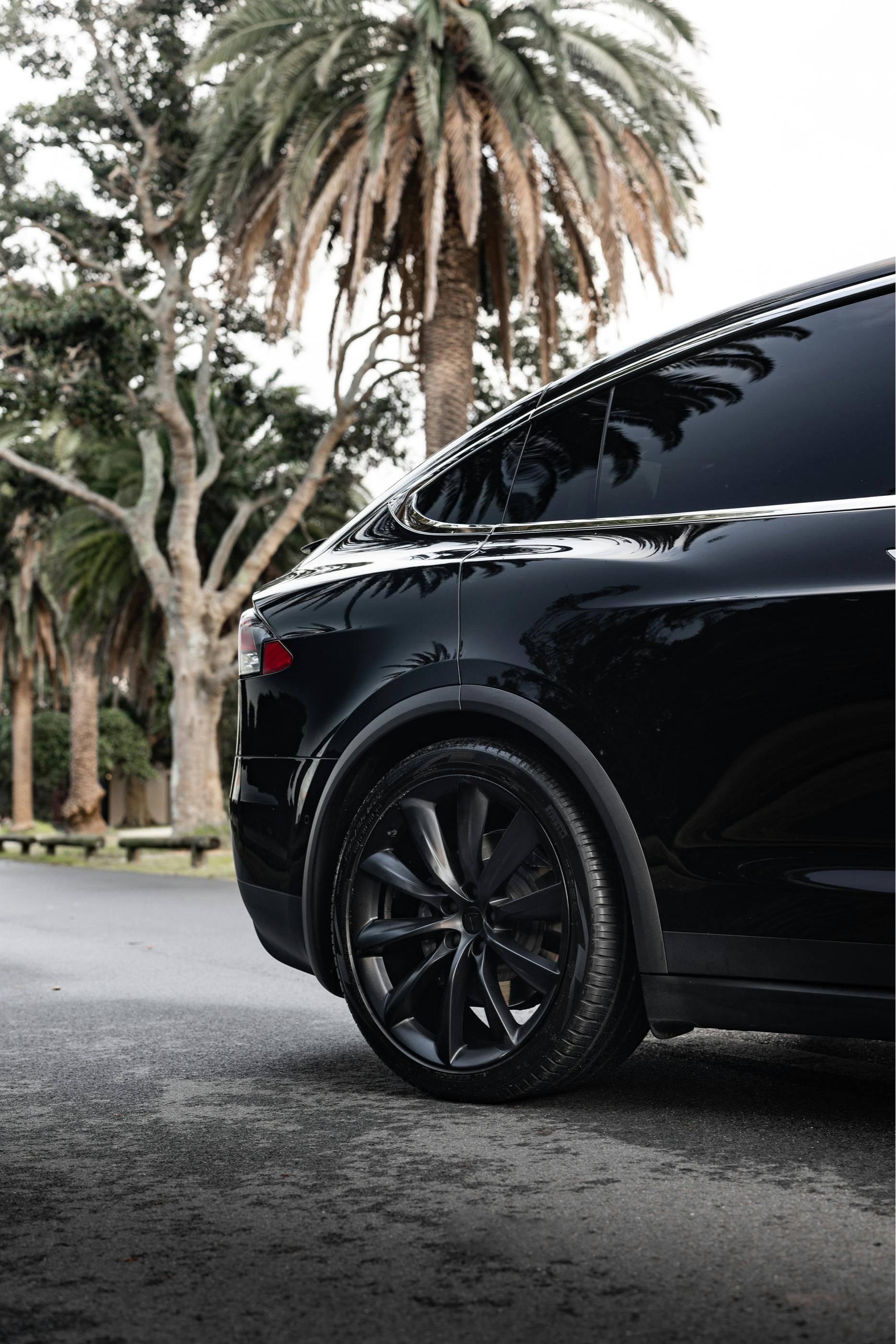 If you know the difference between all-season, all-weather, summer, and winter tires, you can skip this part. It’s meant as a quick overview for those who aren’t familiar with the subject or want to refresh their memory.
A good option for regions that are warmer year-round. They offer decent grip in wet and dry conditions. Some of them are tolerable in very light snow, but note that they are not snow-rated, meaning they don’t have the three-peak mountain snowflake symbol (3PMSF).
This is the jack-of-all-trades option, better than all-seasons in colder climates. All-weather tires are rated for severe snow conditions – they have the three-peak mountain snowflake symbol (3PMSF) on their sidewall. A great choice for drivers who don’t want to compromise safety, but would like to avoid swapping between tire sets.
These offer the best grip in warm and dry conditions, with softer compounds that bite the road harder. The tradeoff is that summer tires have reduced traction capabilities under 45°F (around 7°C). They should not be driven when average daily ambient temperatures drop below that or on snow and ice.
They are the right choice for areas that see regular snow and ice. Winter tires are designed with softer rubber compounds that retain flexibility in cold weather environments. Apart from that, they have deeper tread blocks and siping (small slits in the tire surface) which improve grip and traction on snowy or icy surfaces. It’s recommended to swap from summer tires to winter ones when the temperatures drop below 45°F on average (duh!).
While not strictly a different tire type, run-flat tires are a sub-type of tires worth mentioning here. They are designed to keep you moving for a limited distance even after a puncture – typically around 50 miles at reduced speed – allowing you to reach a service center without calling for a tow.
Teslas don’t come with run-flat tires from the factory. Since run-flats are designed to keep going even after a puncture, this may negatively impact ride quality and range compared to regular EV tires. You can technically fit run-flat tires to a Tesla after purchase, provided the size and load rating match. However, Tesla recommends sticking with the standard setup and carrying a tire repair kit for minor punctures instead.
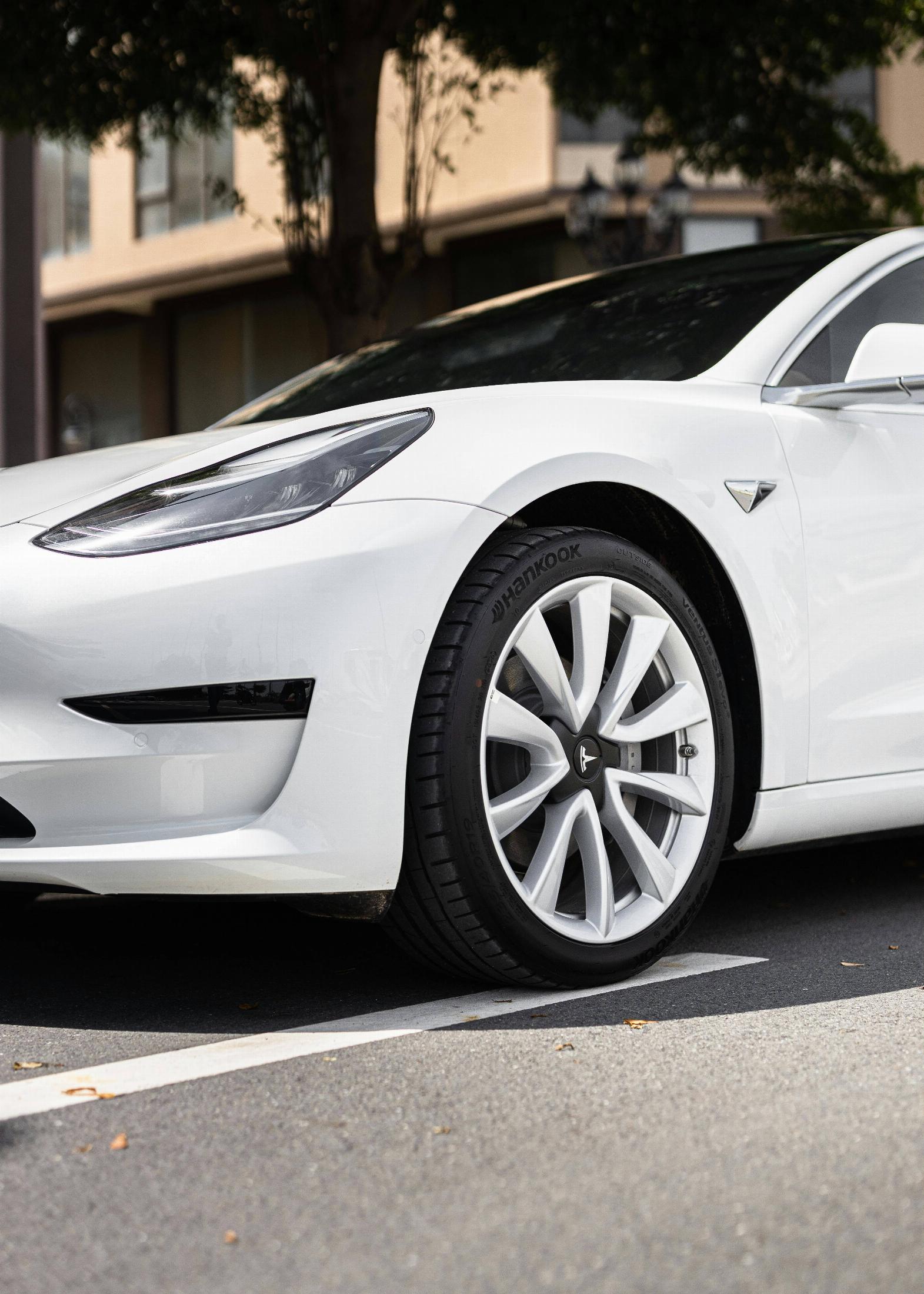 Tesla doesn't make its own tires, but it co-develops them with some of the biggest names in the industry to help engineer and design tires that integrate seamlessly with their drivetrains. This includes tire manufacturers such as Bridgestone, Continental, Goodyear, Hankook, Kumho, Michelin, and Pirelli.
The result is what Tesla calls Tesla-Designed and Tesla-Approved tires, marked with a T-mark on the sidewall – T0, T1, or T2 for subsequent update and tuning revisions. One of the most notable features of these tires is their acoustic foam liner, which reduces road noise by 6 dB at 200 Hz. Since decibels are a logarithmic unit, this translates to 4 times lower sound.
The specific tire brand and model varies by Tesla model, trim level, wheel size, and—more importantly—the production year.
EV tires wear differently than those on gas-powered vehicles and Tesla ownership comes with a few tire-specific quirks worth knowing about. What are the most important ground rules for Tesla tire maintenance?
1. Rotate regularly
As covered in our Tesla Model Y article, Tesla recommends rotating tires every 6,250 miles or when there's a tread depth difference of 2/32 inches or greater between tires. Skipping rotations might lead to uneven wear and make it necessary to replace tires earlier.
2. Check pressure often
EV tires typically require higher inflation pressure than standard tires. A drop of just 0.3 bar may increase rolling resistance by 6% and in turn slash the range. Under-inflated tires are the single easiest way to lose noticeable range and accelerate wear.
3. Expect faster wear
EV tires, even specially designed ones, have a shorter lifespan than regular car tires, due to the additional car weight and instant torque delivery. How long do Tesla tires last, for example? Typically around 25,000–40,000 miles depending on the driving style, tire compound, and rotation discipline.
4. Check wheel alignment every 6 months
Correct wheel alignment will prevent uneven tire wear and should be checked every 6 months or sooner if you hit a curb, pothole, or other obstacle.
5. Carry a tire repair kit
Since Teslas don't include a spare tire or run-flat tires, having a portable tire inflator and sealant in the trunk is a practical precaution – especially for longer drives away from service centers.
Tesla and EV tires might not be the most exciting topic in the world, but getting them right will have a real impact on your range, safety, and ownership costs. The key takeaways from this article are as follows:
Take care of your Tesla’s rubber “socks” and it will take care of the rest.
Not strictly, but they are recommended for people wanting to increase range. EV-specific tires are engineered to handle the extra weight and instant torque of electric motors, minimize rolling resistance, and reduce road noise in the quieter cabin. Regular tires will work, but you'll likely lose some range, experience faster wear, and notice more road noise.
EV-compatible tires are evaluated and approved for use on electric vehicles, meeting the required load ratings and size specifications. They differ from EV-specific tires in that they aren't necessarily optimized for rolling resistance or noise reduction. For Teslas specifically, look for tires marked with the T-mark (T0, T1, T2) on the sidewall, indicating Tesla-designed or Tesla-approved products.
Tesla tires typically last around 25,000–40,000 miles, depending on the model, driving style, and how diligently you rotate them. This is shorter than what most gas-car drivers are used to, due to the combination of EV weight and instant torque delivery. Regular rotations every 6,250 miles and maintaining correct tire pressure are the best ways to extend their life.
No, no Tesla model comes with run-flat tires from the factory. Tesla opts for conventional radial tires optimized for performance and range instead, as run-flats can negatively impact ride quality and efficiency. Tesla recommends carrying a tire repair kit for minor punctures and using Tesla Roadside Assistance for more serious situations.
Tesla recommends rotating tires every 6,250 miles or whenever there's a tread depth difference of 2/32 inches or more between tires. Because EVs are heavier and deliver instant torque, skipping rotations leads to uneven wear much faster than on gas cars.
Prices vary widely by model, wheel size, and brand. Aftermarket EV-compatible replacements can start around $150–200 per tire, while Tesla-designed OEM tires with acoustic foam can cost roughly twice that. Larger wheel sizes (20" and above) available on performance trims tend to sit at the higher end of the pricing range.
 Customer Reviews
Comments
Rate the product
This email is already registered.
Please Log In to continue.
Let us find
the right version for you
We'll confirm pricing, compatibility and product details for your car:
Enter your VINNot strictly, but they are recommended for people wanting to increase range. EV-specific tires are engineered to handle the extra weight and instant torque of electric motors, minimize rolling resistance, and reduce road noise in the quieter cabin. Regular tires will work, but you'll likely lose some range, experience faster wear, and notice more road noise.
EV-compatible tires are evaluated and approved for use on electric vehicles, meeting the required load ratings and size specifications. They differ from EV-specific tires in that they aren't necessarily optimized for rolling resistance or noise reduction. For Teslas specifically, look for tires marked with the T-mark (T0, T1, T2) on the sidewall, indicating Tesla-designed or Tesla-approved products.
Tesla tires typically last around 25,000–40,000 miles, depending on the model, driving style, and how diligently you rotate them. This is shorter than what most gas-car drivers are used to, due to the combination of EV weight and instant torque delivery. Regular rotations every 6,250 miles and maintaining correct tire pressure are the best ways to extend their life.
No, no Tesla model comes with run-flat tires from the factory. Tesla opts for conventional radial tires optimized for performance and range instead, as run-flats can negatively impact ride quality and efficiency. Tesla recommends carrying a tire repair kit for minor punctures and using Tesla Roadside Assistance for more serious situations.
Tesla recommends rotating tires every 6,250 miles or whenever there's a tread depth difference of 2/32 inches or more between tires. Because EVs are heavier and deliver instant torque, skipping rotations leads to uneven wear much faster than on gas cars.
Prices vary widely by model, wheel size, and brand. Aftermarket EV-compatible replacements can start around $150–200 per tire, while Tesla-designed OEM tires with acoustic foam can cost roughly twice that. Larger wheel sizes (20" and above) available on performance trims tend to sit at the higher end of the pricing range.
Customer Reviews
Comments
Rate the product
This email is already registered.
Please Log In to continue.
[[comment.name]]
[[comment.text|raw]]
BimmerTech
Newsletter
[[comment.name]]
[[comment.text|raw]]
BimmerTech