























[[post.title]]
We're changing for you!
Check out our new website 
We're changing for you!
Check out our new website
BMW Original Parts
Search by VIN
Search by VIN
Nov 25, 2025
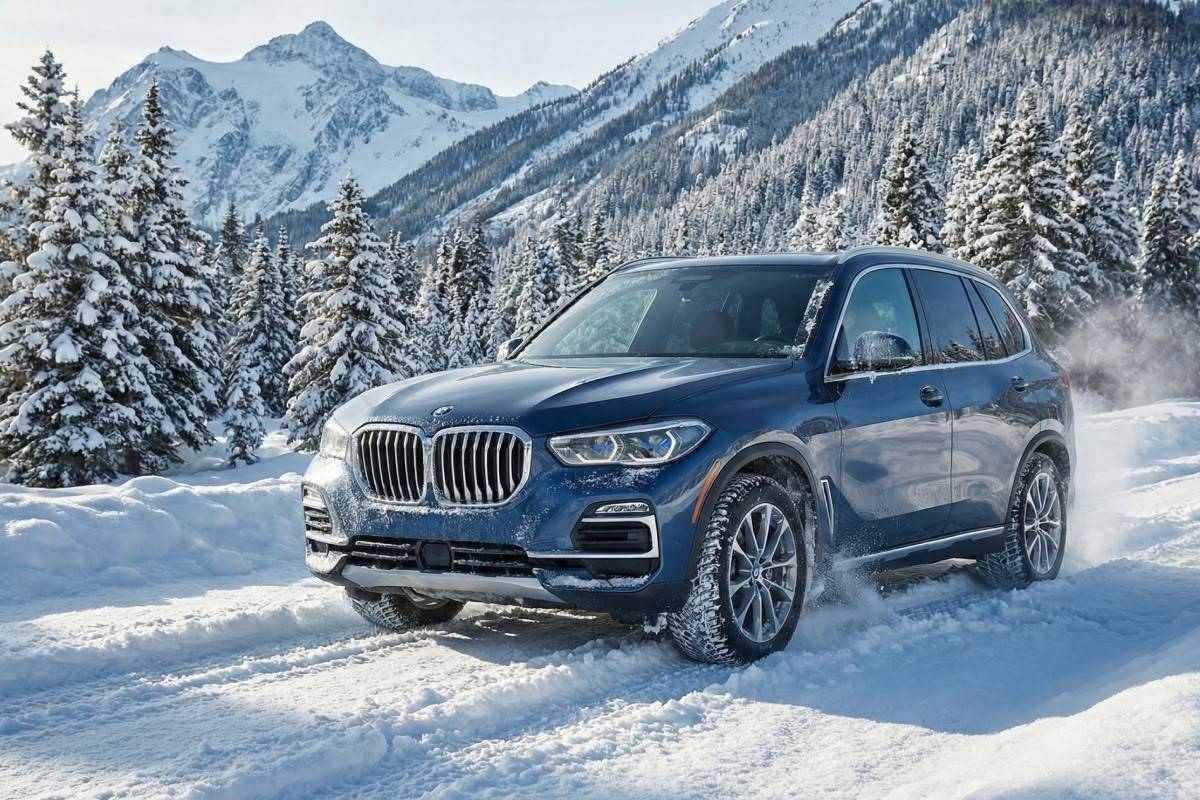
The air is getting crisper. Pumpkin spice lattes are making their much-anticipated seasonal return. But most importantly, BMW owners in less hospitable climates have started preparing for the chill ahead. And if they haven't, they should be! Driving a BMW through winter can be magical, but if your ride isn't ready for the cold… well, brace yourself for something a little less magical, to put it lightly ;)
Before temperatures dip below freezing, here's your go-to guide for winterizing your BMW. However, learning how long to warm up your BMW in winter is just one thing. In this article, we'll also cover keeping your wipers performing at their best, keeping your tires planted firmly on the road in all conditions, and adding a little tech magic to your lights for those long, dark winter nights. Spoiler alert: it’s best to warm your BMW up by starting it up and driving it gently for 10–15 minutes; don’t just stay there idling the engine, it does nothing.
Coming up, you’ll learn:
Enjoy the reading!
All modern cars are precision machines, but that's even truer for many BMWs.
Combining performance, safety and comfort usually means everything needs to be built just so. But even the finest German engineering needs a bit of seasonal TLC or "just so" will turn into "oh no" before you know it. Cold weather can thicken your fluids, drain your battery, and wear down your tires if you don't act fast.
A few proactive checks in November can save you from unpleasant surprises. And best of all? Taking care of your BMW before winter hits means you'll be ready to enjoy all the good parts, like that cozy heated steering wheel and the quiet hum of an engine that's still running at its best.
Cold weather is always tough on batteries. If your BMW's battery is older than three years, now's the time to test it. Lower temperatures reduce battery efficiency and the last thing you want is to be stranded in a parking lot, holding jumper cables and questioning your life choices.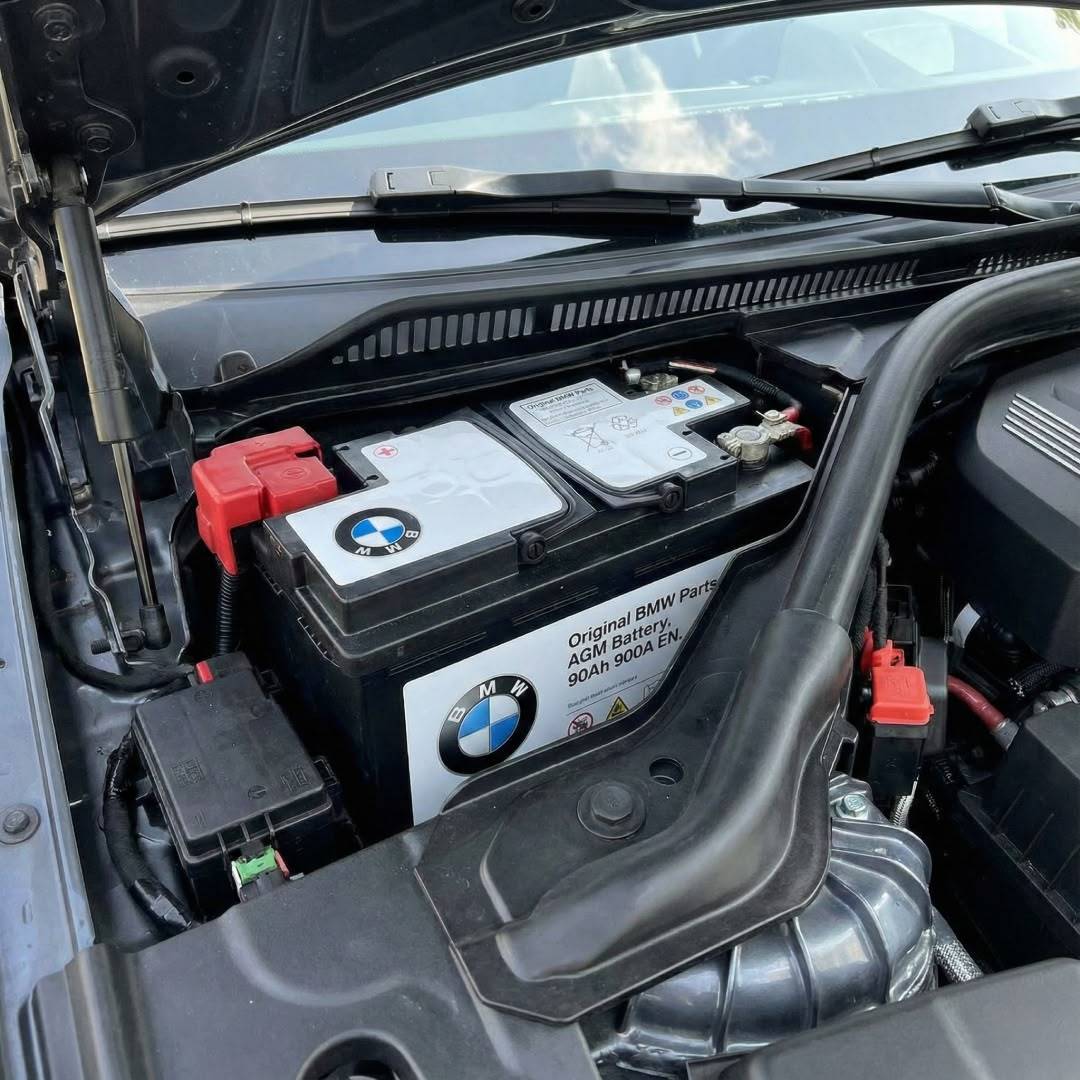
If you're unsure about your battery's health, visit your local mechanic or check BMW's built-in diagnostics. If a replacement is due, get it done now, before the worst weather hits. Just keep in mind that after you do, you'll want to register the new battery with your BMW, to make sure the electronics adjust to the new battery's power and capacity.
No need to trudge out in the cold and snow, though; BimmerTech offers remote battery registration for BMW that you can complete from home.
Pro tip: You can always keep your BMW on a trickle charger if it's not your daily driver during the winter months. Great if your Z4 is really more of a summer thing.
Before the roads turn into ice rinks, check your brakes, wiper blades, and fluids. These are the unsung heroes of safe winter driving and among the things that are the most susceptible to cold-weather damage.
Brakes
Salt, slush, and moisture can do a number on your braking system. Listen for squeaks, grinding sounds, or an increase in stopping distances – all signs your pads might be due for replacement.
If you're noticing wear and tear, it's time for BMW original front brake pads, OEM rear brake pads for BMW, and other high-quality OEM brake parts. With BimmerTech, you can order any BMW original maintenance part by part number, to ensure consistent braking power when you need it most.
Winter visibility is everything. Old wipers can streak or freeze mid-swipe, which isn't exactly ideal when you're driving through a snowstorm. Temperature extremes also mean the rubbery material is more likely to degrade. Swap them out before winter begins and your future self will thank you.
From windshield washer fluid with antifreeze to using appropriate, cold-weather-rated oil, don't skip the fluid check. BMWs are smart, but they still rely on you to keep everything flowing smoothly. It's also an opportune moment to check the rest of the system, whether that's picking up a replacement BMW oil filter or just giving everything a quick once-over.
Yes, your all-season tires can technically handle winter. And you might feel confident enough with your BMW's Dynamic Traction Control (DTC) to think you're sure to stay glued to the road. But trust us on this one: if you live somewhere that sees more than a light dusting of snow, winter tires are worth every cent.
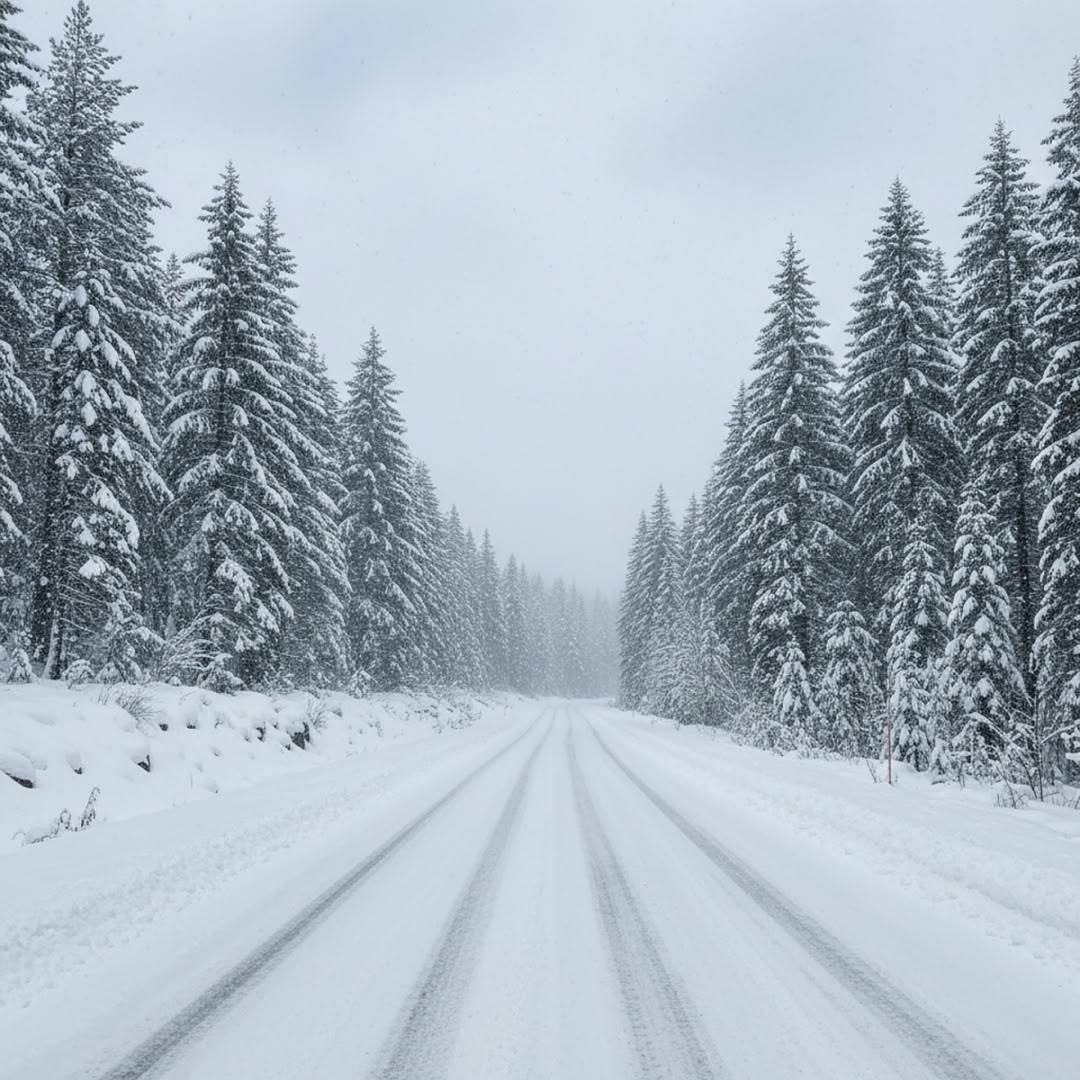 Winter tires have softer rubber compounds and deeper, more aggressive tread patterns that keep your BMW hugging the road even when the mercury drops. Remember to check your tire pressure often, as it decreases with temperature, and severely underinflated tires reduce grip and fuel efficiency.
And it couldn't be easier to check your tire pressure on a BMW, so you've got no excuse not to! Just activate RDC safety in your BMW, and you'll be able to find exact PSI readings through your iDrive menu.
If you're swapping tires yourself, make sure you clean your wheels thoroughly before storage and torque your lug nuts to the correct spec.
Snow, fog, and longer nights mean you'll probably end up with your headlights on more often than not. Give them a good cleaning and check for dimming or yellowing lenses. If you want to take your visibility to the next level, consider BimmerTech's Anti-Dazzle BMW Headlight Coding upgrade.
This clever coding enhancement helps your adaptive headlights automatically adjust their beam pattern, reducing glare for oncoming traffic. You'd want everybody else on the road to do it for you, so why not do it for them? It's a simple software tweak that will make a world of difference in dark winter conditions and saves you having to play around with your headlights.
You know that blissful moment when your BMW's seat heaters kick in and your breath stops fogging up the windshield? That only happens if your HVAC system is in full working order, so it's worth making sure it is now.
If you don’t use them often, test run your defroster, heater, and climate control systems before winter fully sets in. Make sure the warm air is flowing evenly and that your vents aren't clogged with dust or debris. If it takes forever for the cabin to warm up, or if you notice a musty smell, it might be time for a new cabin air filter. You can pick it up from BimmerTech's BMW Parts section.

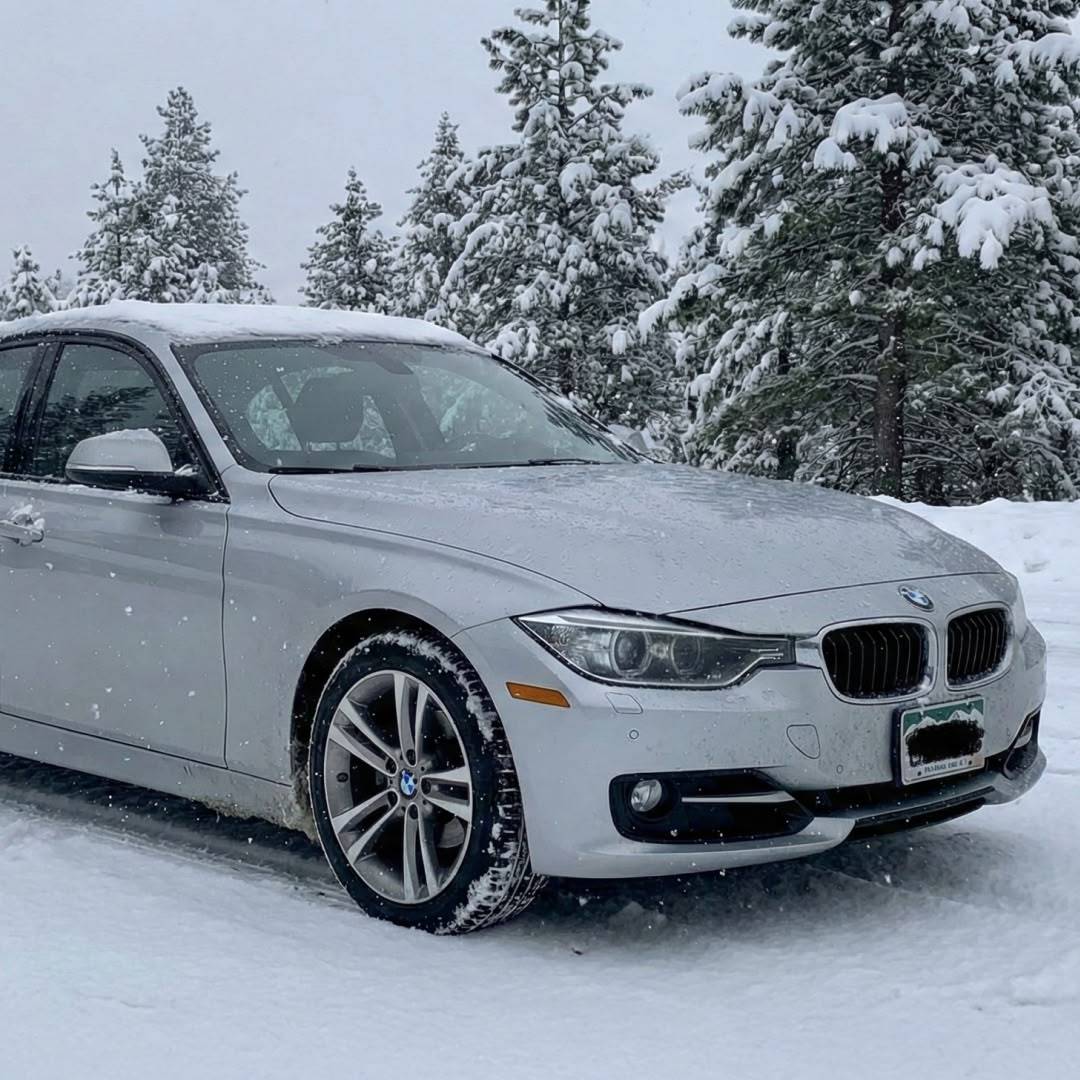 This one is more about how you use your car when winter finally comes, but it’s worth getting in the proper mindset beforehand. Before hammering on your accelerator, make sure you give your BMW engine enough time to warm up by driving gently for a couple of minutes. How long, you might ask? Usually, it should take around 10–15 minutes for the oil to reach its optimal operating temperature, which is from 194°F to 230°F (90°C and 110°C).
If you want to give yourself (and your car) a headstart, you could grab our bestselling BMW Remote Start Retrofit. Not only does it allow you to start up the engine before you get in your car, it will also activate the last A/C or heating setting you had before getting out of the vehicle.
Between road salt, sand, and slush, winter is brutal on your BMW's paintwork. Before the season begins, give your car a thorough wash, wax, or even apply a ceramic coating if you're feeling fancy. During winter, rinse your BMW regularly to remove corrosive salt residue. Pay attention to the undercarriage, because corrosion loves to hide there.
Bonus tip: treat your rubber door seals with silicone spray. It prevents them from freezing shut on those "why won't my door open?" mornings. Check out more BMW DIY maintenance tips elsewhere on our blog.
Even with perfect preparation, winter driving can throw up a curveball or two. So, how to make sure you and your loved ones stay safe during these snowy and cold conditions? Keep an emergency kit in your trunk with:
Hopefully, you'll never need any of that, but if you do, you'll be grateful it's there.
Once you've tackled all your winter prep, it's worth peeking ahead to what comes next. BMW ownership is all about the joy of driving year-round, so when the snow starts to melt, you'll want to make sure your car is ready for the sunshine again.
Luckily, BimmerTech has a fantastic post on this exact topic: 5 Things to Do in Your BMW This Spring. Bookmark it now, either to come back to it later or to remind yourself every now and then that there are better times to come ;)
Sure, winter driving can be challenging, but it can also be exhilarating. There's nothing watching snowflakes swirl around your headlights while your heated seats keep you toasty. Turn up your favorite playlist, grab a thermos of hot cocoa, and hit the road knowing your BMW is as ready for winter as you are. With proper prep, your BMW can handle snowy back roads and frosty mornings without breaking a sweat.
Getting your BMW ready for winter doesn't have to be a chore. Think of it as giving your favorite machine a warm scarf and a cup of cocoa before the cold sets in. Isn't that the least it deserves for all its service? With the right parts, some smart tech upgrades, and a little foresight, you'll be cruising through the snow like it's no big deal.
Just don't wait for that first frosty morning panic! Start your prep now with BimmerTech's BMW Original Parts and Accessories, and make sure your ride stays smooth, safe, and undeniably stylish all winter long.
BMW winter tires are neither necessary (technically) nor required by law, but they can be highly beneficial in regions that see heavy snowfall or frost. While most of the modern high-quality all-weather tires will often do great even in tougher winter conditions, they will fall short of the best winter tires on icy roads or in deeper snow.
You don’t need to change your BMW engine oil specifically for winter. Unless you live in an extremely cold climate, the manufacturer’s recommendation should be enough to keep your engine lubricated. Keep in mind that all engine oils have a two-number viscosity grade, with the first number (e.g., 0W from the 0W20) refers to its flow at low temperatures.
When it’s around 32°F outside, your engine should take around 15 minutes to get to approximately 190°F, so its optimal operational temperature. If it’s colder than that, you might want to give it a bit more time at a steady load.
 Customer Reviews
Comments
Rate the product
This email is already registered.
Please Log In to continue.
Categories:
[[cat.label]] ([[cat.data.length]])Popular posts:
Newsletter
Let us find
the right version for you
We'll confirm pricing, compatibility and product details for your car:
Enter your VINBMW winter tires are neither necessary (technically) nor required by law, but they can be highly beneficial in regions that see heavy snowfall or frost. While most of the modern high-quality all-weather tires will often do great even in tougher winter conditions, they will fall short of the best winter tires on icy roads or in deeper snow.
You don’t need to change your BMW engine oil specifically for winter. Unless you live in an extremely cold climate, the manufacturer’s recommendation should be enough to keep your engine lubricated. Keep in mind that all engine oils have a two-number viscosity grade, with the first number (e.g., 0W from the 0W20) refers to its flow at low temperatures.
When it’s around 32°F outside, your engine should take around 15 minutes to get to approximately 190°F, so its optimal operational temperature. If it’s colder than that, you might want to give it a bit more time at a steady load.
Customer Reviews
Comments
Rate the product
This email is already registered.
Please Log In to continue.
[[comment.name]]
[[comment.text|raw]]
BimmerTech
Newsletter
[[comment.name]]
[[comment.text|raw]]
BimmerTech