
























[[post.title]]
We're changing for you!
Check out our new website 
We're changing for you!
Check out our new website
BMW Original Parts
Search by VIN
Search by VIN
Nov 17, 2025
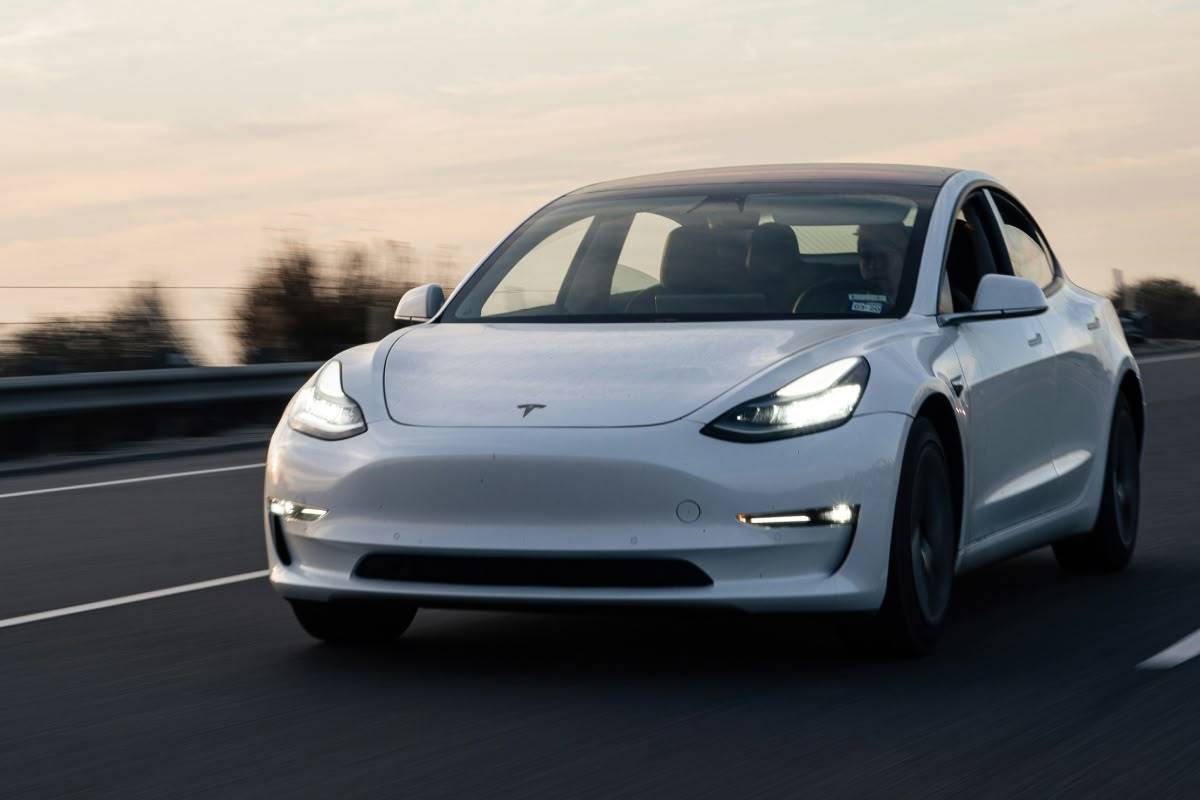
Currently, EV insurance is around $2,000 more expensive than that of gas-powered vehicles. What mainly affects these rates are the prices of new battery-powered vehicles, more expensive servicing and parts, as well as more insurance claims made by EV owners overall. In this article, we’ll break down these differences in the premiums, what you can do about it, and what to look for in terms of insurance coverage.
Coming up:
Ready? Let's roll!
On average, insuring an EV costs $1,300–2,800 more a year (depending on the study) than doing so for a gas-powered car. But where does this price difference come from? Do the insurance companies just hate EVs or want to punish drivers for going green…?
Not at all! The reality is much more practical – it all comes down to risk and repair costs.
First off, let's talk about what you're actually insuring. According to Kelley Blue Book, the average transaction price for new EVs in February 2025 was $55,273. That’s over $7,000 more than the average for internal combustion engine vehicles, which was $48,039 at the same time.
Sadly, when insurance companies calculate your premium for a given car, they have to consider how much they’ll need to pay out if it gets totaled. A more expensive car equals more expensive insurance – pretty straightforward math.
Second, there is also the matter of EV repair costs being substantially higher compared to their ICE counterparts. Servicing battery-powered vehicles is usually around $1,322 more. That's no pocket change! Why are their repairs so pricey? A few reasons:
Last but not least, the third thing that affects the pricing is the fact that there are more insurance claims made for EVs – according to some studies, the rate is 17% higher than for ICE cars. Interestingly though, despite more claims overall, 19% fewer crash claims were made for EVs, with most of them concerning property damage due to vehicle weight.
Fortunately for current and future EV owners, the insurance rates are slowly but surely getting even for all passenger vehicles, regardless of their fuel type.
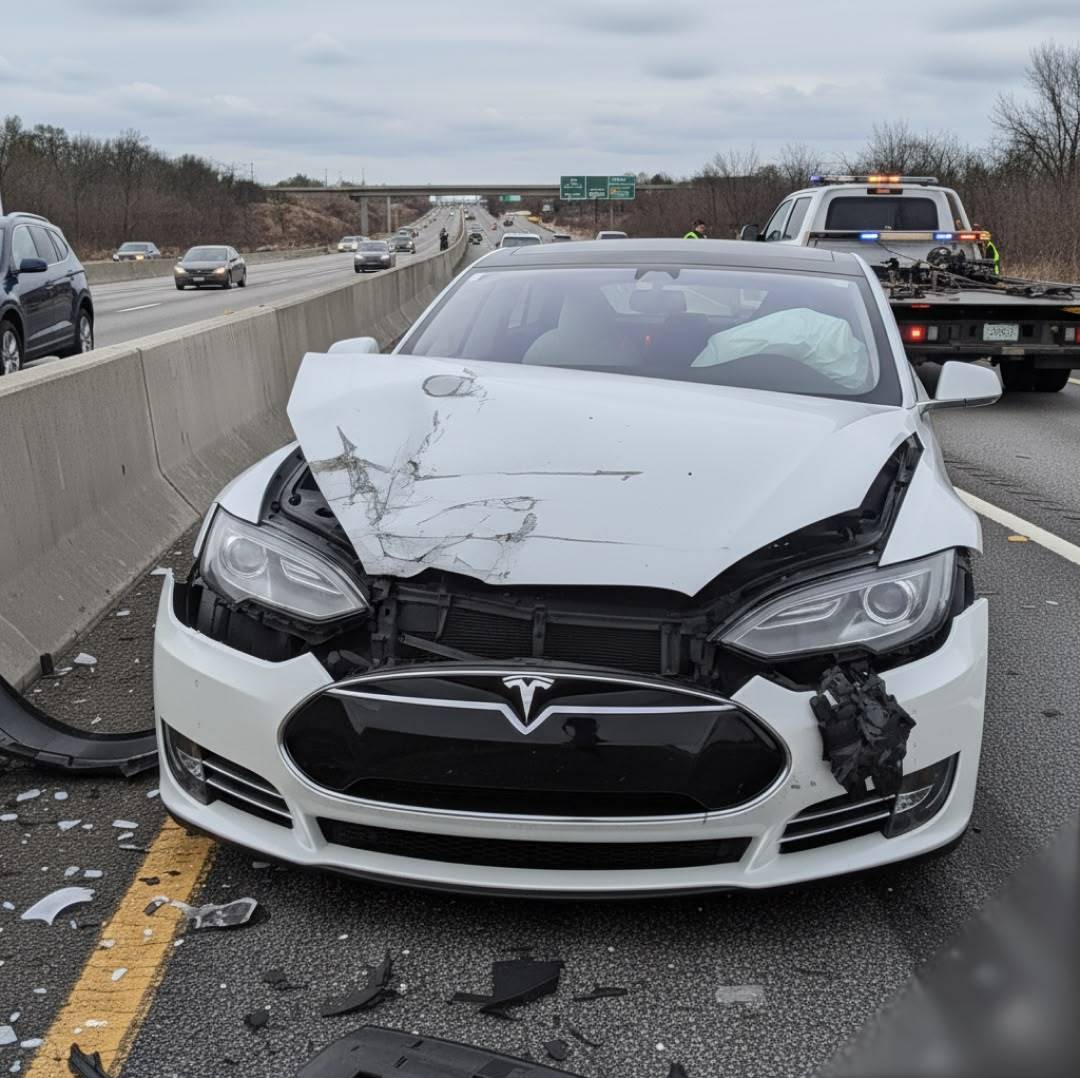 The basics are the same as any car insurance: you'll want liability coverage (legally required in most states), collision coverage, and comprehensive coverage if you're financing or leasing. However, for EVs you need to think about some additional considerations.
First, make sure your policy covers the full replacement cost of your vehicle. Remember, EVs depreciate differently than gas cars and the technology is constantly evolving. You don't want to be caught with a policy that only covers the depreciated value when a new battery costs as much as a used Honda Civic.
Second, consider grabbing GAP insurance when financing or leasing your car. This covers the difference between what you owe on your loan and what the insurance company says your EV would be worth when totaled. Given how quickly technology advances and car value depreciates, this could be a lifesaver.
Third, roadside assistance is basically essential for EV owners. Not because EVs are unreliable (they're actually quite the opposite), but because if your battery dies, you can't exactly walk to the nearest gas station with a jerry can. You need specialized towing to a charging station or service center.
Now we're getting to the big question – and honestly, the scariest one for most EV owners. Does insurance cover your battery if it fails? Here's the straight answer: it depends. Insurance might cover EV battery replacement if the battery is damaged in an accident or covered event, but not for natural wear or age.
So if someone crashes into you and damages your battery? Covered.
But if your battery gradually degrades over time? Not covered.
The cost of battery replacement is what really keeps insurance companies (and vehicle owners) up at night. A new EV battery ranges from $4,000 to $20,000 depending on the make and model of the car. Yeah, you read that right – it can reach twenty thousand dollars in some cases.
Here's the good news: every new EV comes with a pretty long warranty that covers the battery if it fails or doesn't perform as it should, typically lasting 8 years or 100,000 miles. So for most of your EV's useful life, you should be protected by the manufacturer's warranty.
The tricky part is when your battery is damaged in an accident. Insurance companies are more likely to declare an EV a total loss after a more serious crash compared with conventional cars. It’s due to the fact that the cost of replacing a battery that's been damaged or compromised can be about half the cost of the vehicle. This is why comprehensive and collision coverage are so important for EV owners.
Some insurers offer specialized add-ons or extended coverage options for EV battery replacement, but these must often be purchased separately. It's worth asking your insurance agent about these options though, even if they cost a bit extra.
Look, we all love a good deal. But when it comes to insurance, the cheapest option isn't always the best choice – especially for battery-powered. In this case, cheap EV insurance often means less coverage. You might save $50 a month on your premium, but if your $50,000 Tesla gets totaled and you're $15,000 short on the payout, was it really worth it? That's some expensive math right there.
So the real question shouldn’t be "How can I get the cheapest EV insurance?", but rather "How can I get the best value for my coverage?". Sometimes that means paying a bit more upfront for extra peace of mind.
Red flags to watch for in "too good to be true" cheap insurance:
That said, you don't need to go with the most expensive policy either. The key is finding the sweet spot – adequate coverage that protects your investment without breaking the bank. Shop around, compare quotes from multiple companies, and read the fine print.
I know, I know, nobody likes reading insurance policies. But trust me: spending an hour now could save you thousands of dollars later.
The basics are the same as any car insurance: you'll want liability coverage (legally required in most states), collision coverage, and comprehensive coverage if you're financing or leasing. However, for EVs you need to think about some additional considerations.
First, make sure your policy covers the full replacement cost of your vehicle. Remember, EVs depreciate differently than gas cars and the technology is constantly evolving. You don't want to be caught with a policy that only covers the depreciated value when a new battery costs as much as a used Honda Civic.
Second, consider grabbing GAP insurance when financing or leasing your car. This covers the difference between what you owe on your loan and what the insurance company says your EV would be worth when totaled. Given how quickly technology advances and car value depreciates, this could be a lifesaver.
Third, roadside assistance is basically essential for EV owners. Not because EVs are unreliable (they're actually quite the opposite), but because if your battery dies, you can't exactly walk to the nearest gas station with a jerry can. You need specialized towing to a charging station or service center.
Now we're getting to the big question – and honestly, the scariest one for most EV owners. Does insurance cover your battery if it fails? Here's the straight answer: it depends. Insurance might cover EV battery replacement if the battery is damaged in an accident or covered event, but not for natural wear or age.
So if someone crashes into you and damages your battery? Covered.
But if your battery gradually degrades over time? Not covered.
The cost of battery replacement is what really keeps insurance companies (and vehicle owners) up at night. A new EV battery ranges from $4,000 to $20,000 depending on the make and model of the car. Yeah, you read that right – it can reach twenty thousand dollars in some cases.
Here's the good news: every new EV comes with a pretty long warranty that covers the battery if it fails or doesn't perform as it should, typically lasting 8 years or 100,000 miles. So for most of your EV's useful life, you should be protected by the manufacturer's warranty.
The tricky part is when your battery is damaged in an accident. Insurance companies are more likely to declare an EV a total loss after a more serious crash compared with conventional cars. It’s due to the fact that the cost of replacing a battery that's been damaged or compromised can be about half the cost of the vehicle. This is why comprehensive and collision coverage are so important for EV owners.
Some insurers offer specialized add-ons or extended coverage options for EV battery replacement, but these must often be purchased separately. It's worth asking your insurance agent about these options though, even if they cost a bit extra.
Look, we all love a good deal. But when it comes to insurance, the cheapest option isn't always the best choice – especially for battery-powered. In this case, cheap EV insurance often means less coverage. You might save $50 a month on your premium, but if your $50,000 Tesla gets totaled and you're $15,000 short on the payout, was it really worth it? That's some expensive math right there.
So the real question shouldn’t be "How can I get the cheapest EV insurance?", but rather "How can I get the best value for my coverage?". Sometimes that means paying a bit more upfront for extra peace of mind.
Red flags to watch for in "too good to be true" cheap insurance:
That said, you don't need to go with the most expensive policy either. The key is finding the sweet spot – adequate coverage that protects your investment without breaking the bank. Shop around, compare quotes from multiple companies, and read the fine print.
I know, I know, nobody likes reading insurance policies. But trust me: spending an hour now could save you thousands of dollars later.
The short answer is: it can be, but not always. Tesla launched its own insurance program to address the high cost of insuring their vehicles. Tesla's own insurance rates are cheaper than other companies, with Tesla Insurance ranging from $2,025 (Tesla Model 3) to $2,902 (Tesla Model X) per year.
While it might sound pretty amazing, there are some significant caveats to it.
First, Tesla Insurance is currently only available in 12 states (Arizona, California, Colorado, Illinois, Maryland, Minnesota, Nevada, Ohio, Oregon, Texas, Utah, and Virginia). If you don't live in one of those states, you're out of luck.
Second, Tesla uses their proprietary "Safety Score" to set your rates. Rather than relying on driver credit history or demographic profiling, Tesla focuses on an algorithmic assessment derived from braking, acceleration, cornering, and forward-collision warnings. This means your premiums can change monthly based on how you actually drive.
Sounds fair, right? Drive safely, pay less. But here's where it gets tricky – the Safety Score can be a bit sensitive. Multiple Tesla owners have reported their initial quote jumping dramatically after just a few days of actual driving.
Tesla Insurance can be a great deal if you're easy on the accelerator and in one of the available states. But if you have a bit of a lead foot, you might be better off with a traditional insurer. The smart move? Get quotes from Tesla Insurance AND at least three traditional insurance companies.
Compare not just the price, but the coverage, the customer reviews, and the claims process. Remember, cheap insurance that doesn't pay out when you need it is basically expensive paperwork.
Generally speaking, introducing minor interior and exterior modifications or upgrades to your Tesla shouldn’t increase your insurance premium. Of course, we’re talking about non-invasive, plug-and-play stuff that you can easily install AND take out of the car.
What does it mean in practice? Let’s consider some examples.
Please note that the above are just our predictions based on the knowledge we’ve gathered from various user forums and online resources. While we have yet to encounter customers complaining about insurance premium increases after installing our products, we advise doing own research before modding a car.
The best way to approach this would be to contact your local insurance agent – this way you’ll get detailed guidelines along with dos and don’ts for Tesla upgrades.
So, is EV insurance more expensive? Yeah, it typically is – but for real reasons related to repair costs, specialized parts, and limited service networks. The good news? The gap is narrowing as EVs become more common and there are ways to manage those costs.
At the end of the day, proper insurance is just part of the cost of EV ownership – like charging equipment or a home charging setup. Factor it into your budget, find the best coverage you can afford, and then enjoy your electric ride!
EV insurance costs more primarily due to higher vehicle prices, expensive specialized repairs, and limited qualified repair facilities. A new EV battery ranges between $4,000 and $20,000, and these batteries often need complete replacement even after some damage.
Standard insurance typically doesn't cover battery replacement due to normal wear or age. However, insurance might cover EV battery replacement if the battery is damaged in an accident or covered event.
Tesla insurance can be cheaper in the 12 states where it's available. However, Tesla uses a monthly-adjusted Safety Score that can cause rates to fluctuate depending on how someone drives their car.
 Customer Reviews
Comments
Rate the product
This email is already registered.
Please Log In to continue.
Let us find
the right version for you
We'll confirm pricing, compatibility and product details for your car:
Enter your VINEV insurance costs more primarily due to higher vehicle prices, expensive specialized repairs, and limited qualified repair facilities. A new EV battery ranges between $4,000 and $20,000, and these batteries often need complete replacement even after some damage.
Standard insurance typically doesn't cover battery replacement due to normal wear or age. However, insurance might cover EV battery replacement if the battery is damaged in an accident or covered event.
Tesla insurance can be cheaper in the 12 states where it's available. However, Tesla uses a monthly-adjusted Safety Score that can cause rates to fluctuate depending on how someone drives their car.
Customer Reviews
Comments
Rate the product
This email is already registered.
Please Log In to continue.
[[comment.name]]
[[comment.text|raw]]
BimmerTech
Newsletter
[[comment.name]]
[[comment.text|raw]]
BimmerTech